
Crochet flowers and leaves blooming bring a refreshing and artistic feel to any handmade project. Whether you’re creating a decorative wall hanging, embellishing garments, or designing personalized gifts, the vibrant details of flowers and leaves add a timeless elegance to your crochet work. These motifs are perfect for beginners and experienced crafters alike, offering a fun and fulfilling way to explore the beauty of nature through yarn.
Incorporating crochet flowers and leaves blooming into your designs doesn’t just enhance the visual appeal—it also allows for creative expression. You can mix various yarn textures, colors, and shapes to produce unique compositions that reflect your personal style. This natural element in crochet is particularly popular in spring and summer-themed items but can also be used all year round.
In this comprehensive guide, we’ll explore how to master crochet flowers and leaves blooming, different project ideas, pattern suggestions, and essential tips to get the most out of your crocheting experience. With a focus on creativity and technique, this article will help you transform basic stitches into blooming botanical art.
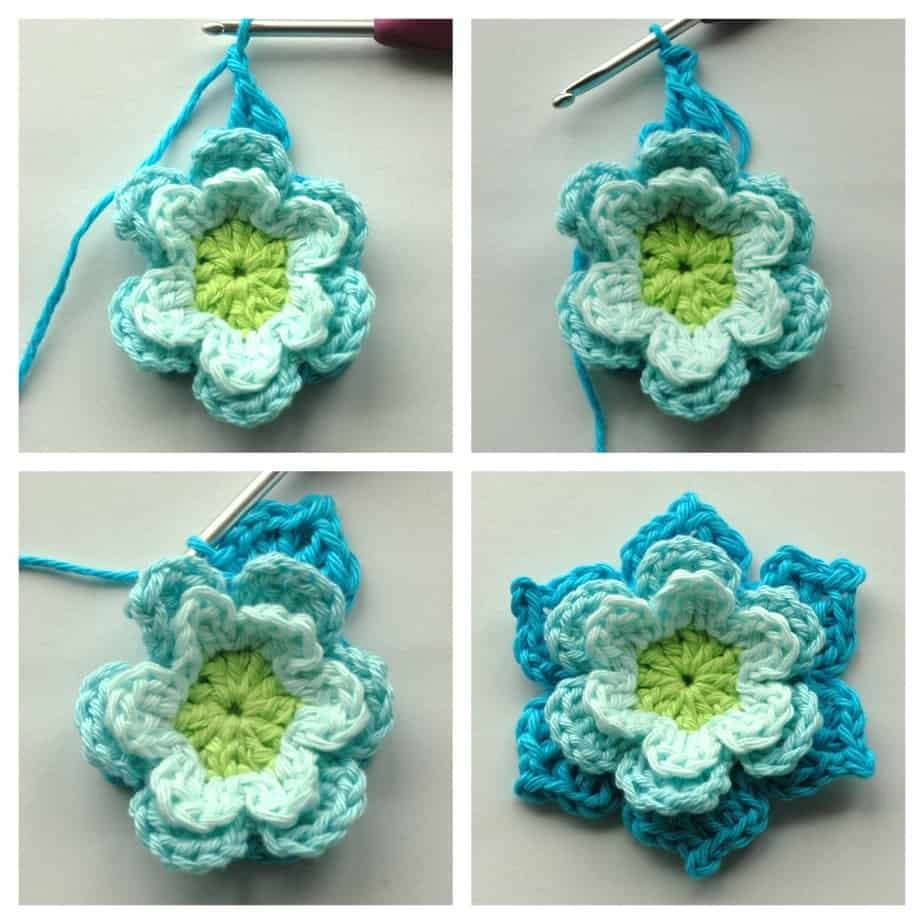
1. Understanding Crochet Flowers and Leaves Blooming
When we talk about crochet flowers and leaves blooming, we’re referring to the art of replicating natural floral and foliage forms using yarn and crochet hooks. These components can range from simple five-petal blossoms to intricate roses and layered leaf patterns. Each project offers a unique challenge and an opportunity to grow your crochet skills.
Many crocheters begin their journey with small flowers because they are quick and satisfying to make. These motifs can be created using basic stitches like chains, single crochets, and double crochets, making them accessible even to beginners. Once mastered, they can be used to enhance almost any crochet item.
Leaves in crochet come in many shapes—from tiny sprigs to large, tropical designs. They are often used as complementary details alongside flowers but can also stand alone in decorative pieces. Matching the style of the leaf to the flower helps create a cohesive and natural look.
Yarn choice plays a big role in the final outcome of your crochet flowers and leaves blooming. For a soft, delicate feel, cotton yarn is ideal. For more texture and bold appearance, try wool or blended yarns. Remember, the weight and thickness of your yarn will affect the size and structure of your motifs.
Color selection is another exciting aspect of floral crochet. While you can go with traditional hues like red roses and green leaves, don’t be afraid to experiment with pastel tones, gradient yarns, or even metallic threads for a modern twist. The freedom in crochet allows your floral elements to be as realistic or as whimsical as you desire.
Blocking your finished flowers and leaves is an important step for shaping and stiffness. This technique involves wetting and pinning the motifs to dry in a particular shape, which helps preserve their structure, especially in decorative or wearable items.
2. Popular Projects Using Crochet Flowers and Leaves
Crochet flowers and leaves blooming are incredibly versatile and can be used in a wide range of projects. One of the most popular uses is in home décor. Floral garlands, wall hangings, and centerpieces bring a cozy, handmade charm to living spaces and are a great way to display your crochet talent.
Another beloved project is the floral headband or crown. These accessories are especially popular for weddings, festivals, and baby photo shoots. They often combine multiple types of flowers and leaves to create a lush, blooming effect that captures attention and admiration.
Clothing embellishment is another great way to use your flower and leaf motifs. You can add crochet blossoms to the collars of shirts, edges of sleeves, or even stitch them onto hats and bags for a fun, bohemian look. This is an easy way to customize store-bought items and add a personal touch.
Greeting cards and gift wrapping are often overlooked uses for crochet flowers and leaves blooming. A small flower sewn onto a ribbon or card adds charm and makes your gift stand out. Plus, these details are keepsakes that the recipient can treasure long after the occasion.
Blankets and throws with floral motifs are also quite popular, especially when arranged into granny squares or hexagonal patterns. These can be made over time and joined together for a larger project, offering a fulfilling long-term creative outlet.
Finally, wearable brooches and pins crafted from crochet flowers and leaves can serve as subtle, stylish accessories. Whether for casual or formal wear, these handmade touches elevate your look and showcase your craftsmanship.
3. Tips and Techniques for Realistic Crochet Flowers and Leaves
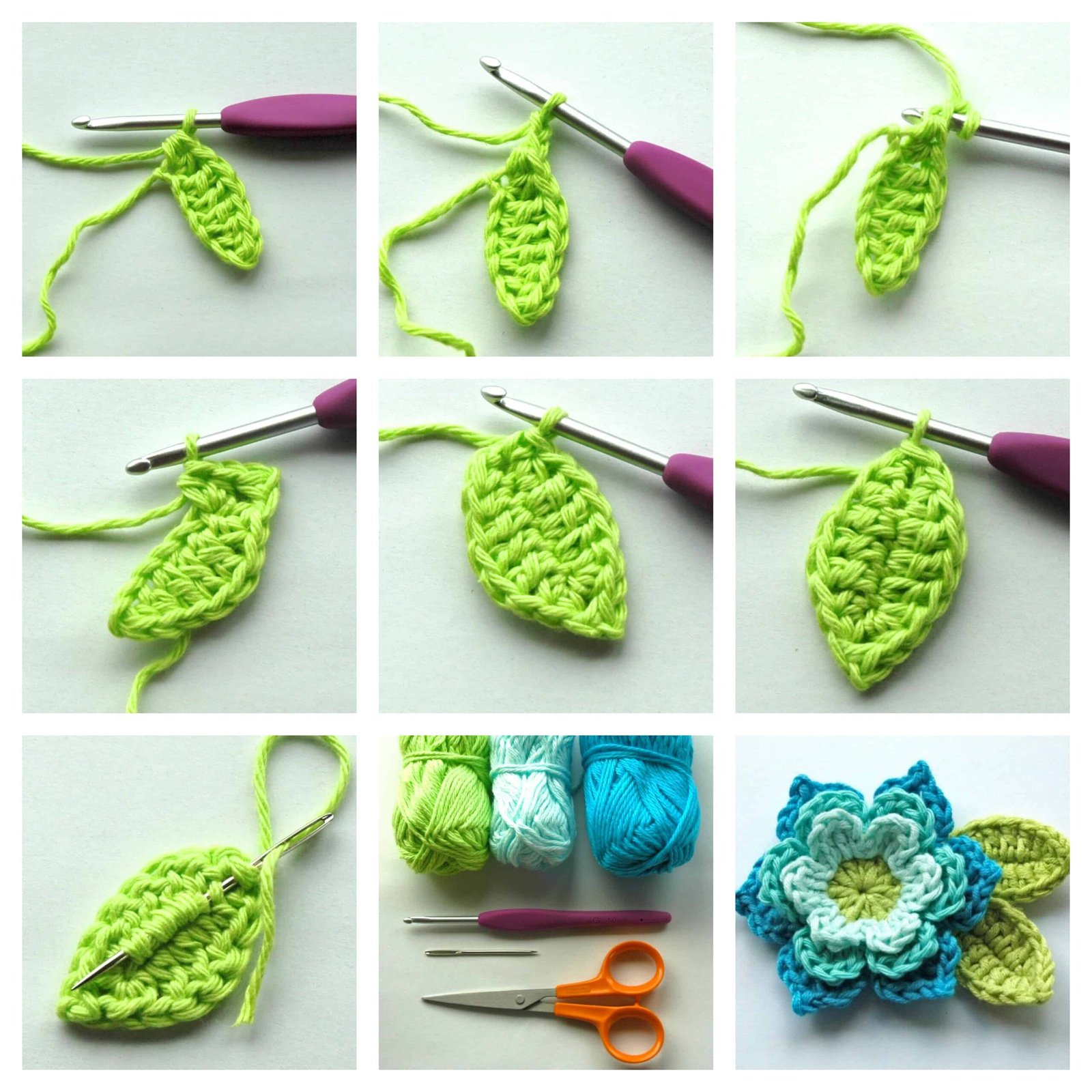
To make your crochet flowers and leaves blooming look realistic and visually stunning, focus on your stitch tension and shaping. Even tension ensures that petals and leaves are symmetrical and consistent, which is essential for achieving a polished final product.
Layering is another key technique for realistic flowers. Start with a small base flower and add layers of petals in different sizes and colors. This creates depth and dimension, closely mimicking the way real flowers bloom in nature.
Use wire or pipe cleaners to give structure to stems and large leaves. This not only makes your crochet elements more durable but also allows you to shape them into lifelike curves and bends, enhancing their natural appeal.
Textured stitches like popcorn, puff, and bobble stitches add extra dimension to your crochet flowers and leaves blooming. These stitches create raised areas that simulate the contours found in petals and foliage, making your creations more eye-catching.
Adding beads or buttons to the center of flowers can elevate the design. Choose a bead that complements your yarn color and size. This simple touch brings elegance and personality to your work.
Lastly, don’t forget to use pattern books or online tutorials as a reference. Visual guides and step-by-step instructions can dramatically improve your technique and inspire new project ideas. With practice, you’ll be creating lifelike flowers and leaves with ease and creativity.
4. Pattern Resources and Inspiration for Crochet Flowers and Leaves
There are countless resources online for finding crochet flowers and leaves blooming patterns. Many websites offer free patterns, while others provide downloadable PDFs for a small fee. Look for creators who provide clear instructions, diagrams, and photos to guide your process.
YouTube is an excellent platform for visual learners. Many experienced crocheters offer video tutorials that walk you through each stitch and step. Watching someone else create a flower in real time can be incredibly helpful, especially for complex designs.
Pinterest is a great place to collect inspiration. By browsing boards filled with floral crochet images, you can explore color palettes, combinations, and applications that you might not have considered before. It’s a visual treasure trove for all things crochet.
Crochet magazines and pattern books are also valuable. These often feature curated collections of seasonal or themed flowers and leaves, which can spark ideas for future projects. Look for issues focused on spring or garden themes for the richest content.
Joining crochet communities on platforms like Ravelry or Facebook lets you connect with fellow enthusiasts. You can share your work, ask questions, and find exclusive patterns shared by other members. This interaction builds both skill and motivation.
Lastly, don’t underestimate your own creativity. Once you master the basic shapes, try designing your own crochet flowers and leaves blooming. Keep a journal of your stitches, sketches, and modifications. Over time, this can evolve into your very own collection of unique floral patterns.
FAQ About Crochet Flowers and Leaves Blooming
Q: Are crochet flowers and leaves suitable for beginners?
A: Yes! Many flower and leaf patterns use simple stitches, making them ideal for beginners. Start with basic five-petal flowers and simple leaves before progressing to more complex designs.
Q: What kind of yarn is best for crochet flowers?
A: Cotton yarn is popular due to its stitch definition and smooth texture. However, any yarn can work depending on the desired effect. Lightweight yarns are best for delicate flowers.
Q: Can I mix different flower patterns in one project?
A: Absolutely! Combining various flower and leaf patterns creates visual interest and helps your projects feel more dynamic and organic.
Q: How do I attach crochet flowers and leaves to fabric or garments?
A: You can sew them on using a tapestry needle and matching thread or yarn. Some crafters also use fabric glue for a quicker method, though sewing is more secure.
Q: Should I block my flowers and leaves after crocheting?
A: Yes, blocking helps maintain the shape and structure of your motifs, especially if they are being used in decorations or wearables.
Q: Where can I find free patterns for crochet flowers and leaves?
A: Websites like Ravelry, Pinterest, and various crochet blogs offer a wide range of free patterns. YouTube tutorials are also a fantastic free resource.
PATTERN HERE
In this article, we explored the art of crochet flowers and leaves blooming, diving into their charm, versatility, and creative potential. From beginner-friendly blossoms to detailed botanical pieces, these motifs can enhance everything from home décor to fashion accessories. With the right yarn, technique, and inspiration, anyone can bring a garden to life through crochet.
We hope you feel inspired to start your own blooming crochet journey. Don’t forget to share your thoughts and suggestions in the comments below. Your feedback helps us grow and bloom, just like your beautiful crochet flowers and leaves!