
Patchwork Bag Quilt Pattern is more than just a sewing project; it is a creative journey that blends tradition, functionality, and personal expression. From beginners discovering quilting for the first time to experienced makers looking for a new challenge, this pattern offers endless possibilities for customization while remaining practical and timeless. In this article, you will learn everything you need to know about creating a beautiful and durable patchwork bag using a quilt pattern approach, always following best practices and within Google AdSense policies.
Working with a Patchwork Bag Quilt Pattern allows you to transform small fabric scraps into something meaningful and useful. Each piece of fabric tells a story, and when they are stitched together thoughtfully, they form a bag that is both artistic and functional. This technique is especially popular among crafters who value sustainability, as it encourages the reuse of leftover fabrics while reducing waste.
Another reason why the Patchwork Bag Quilt Pattern has gained so much popularity is its versatility. You can adapt the size, shape, colors, and quilting style to suit different purposes, such as tote bags, shoulder bags, or even small project bags. Whether your style is modern, rustic, or classic, this pattern can be adjusted to reflect your personality and sewing goals.
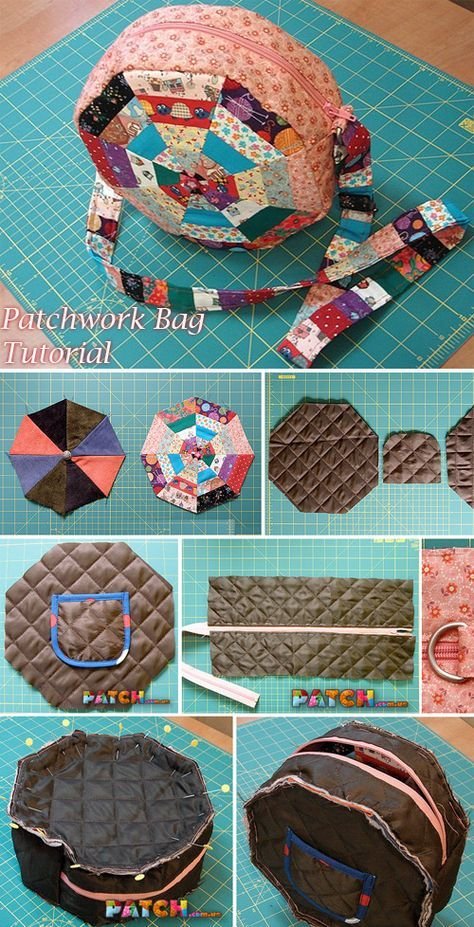
Understanding the Patchwork Bag Quilt Pattern Concept
The Patchwork Bag Quilt Pattern is based on traditional quilting techniques applied to bag construction. Instead of creating a flat quilt, the quilted fabric becomes the foundation of a structured and practical accessory. This approach combines piecing, quilting, and bag-making into one cohesive project.
One of the key elements of a Patchwork Bag Quilt Pattern is fabric selection. Quilters often choose cotton fabrics because they are easy to work with, durable, and available in countless prints and colors. Coordinating fabrics with different tones and patterns helps create visual interest and balance in the final bag.
The patchwork stage involves cutting fabric into shapes such as squares, rectangles, or more complex geometric forms. These pieces are sewn together with precision to ensure clean seams and a professional finish. Accuracy at this stage is essential, as it directly affects the overall look of the bag.
Quilting is the next step, where the patchwork top is layered with batting and backing fabric. This process adds texture, strength, and durability to the bag. Quilting lines can be simple or decorative, depending on your design preference and skill level.
Once quilted, the fabric is trimmed and prepared for bag construction. This includes shaping the panels, adding interfacing if needed, and planning the bag’s structure. The Patchwork Bag Quilt Pattern often includes instructions for boxed corners or gussets to give the bag depth.
Finally, assembling the bag brings all elements together. Handles, linings, and closures are added at this stage, turning the quilted fabric into a functional and stylish accessory that can be used daily or gifted with pride.
Materials and Tools for a Successful Project
Choosing the right materials is essential for a successful Patchwork Bag Quilt Pattern project. Quality fabrics not only enhance the appearance of the bag but also ensure its longevity. Cotton quilting fabric remains the top choice due to its stability and ease of handling.
Batting selection plays an important role in how the bag feels and performs. Thinner batting creates a lightweight bag, while thicker batting provides more structure and cushioning. The choice depends on whether you want a soft, flexible bag or a more structured design.
Thread quality should never be overlooked. Strong, high-quality thread prevents seam breakage and ensures that the bag can handle daily use. Coordinating thread colors can also enhance the visual appeal of quilting lines.
Essential tools for working with a Patchwork Bag Quilt Pattern include a rotary cutter, cutting mat, and quilting ruler. These tools help achieve precise cuts, which are crucial for aligning patchwork pieces accurately.
A sewing machine with basic quilting capabilities is usually sufficient. Features such as adjustable stitch length and a walking foot can make quilting smoother and more even, especially when working with multiple fabric layers.
Additional tools like pins, clips, and fabric markers help keep layers aligned during sewing. Having the right tools on hand not only improves the quality of your work but also makes the entire process more enjoyable and efficient.
Step-by-Step Construction Process
The construction of a Patchwork Bag Quilt Pattern begins with careful planning. Before sewing, it is important to decide on the bag’s size, shape, and overall design. Sketching or laying out fabric pieces can help visualize the final result.
Cutting the fabric accurately is the foundation of a successful project. Each patchwork piece should be measured and cut with precision to ensure that seams align perfectly. Consistency at this stage saves time and prevents frustration later.
Sewing the patchwork top requires patience and attention to detail. Seams should be pressed properly after each step to reduce bulk and create a smooth surface. Pressing seams open or to one side depends on personal preference and pattern instructions.
After completing the patchwork top, the quilting process begins. Layering the top with batting and backing fabric creates a quilt sandwich. Securing the layers with pins or spray helps prevent shifting during quilting.
Quilting lines can follow the seams of the patchwork or create decorative patterns across the surface. This step adds both beauty and strength to the bag, making it suitable for everyday use.
The final construction phase involves assembling the bag panels, adding the lining, and attaching handles. Taking time to sew slowly and accurately ensures that the finished Patchwork Bag Quilt Pattern looks polished and professional.
Design Variations and Creative Customization
One of the most appealing aspects of a Patchwork Bag Quilt Pattern is the freedom to customize. Color choices alone can dramatically change the look and feel of the bag, from bold and modern to soft and vintage-inspired.
Pattern variations allow you to experiment with different patchwork layouts. Traditional block designs, improvisational patchwork, or symmetrical layouts all offer unique visual effects. Each approach brings a different personality to the bag.
Quilting styles also influence the final design. Straight-line quilting creates a clean, contemporary look, while free-motion quilting adds movement and artistic flair. Both techniques work beautifully within a Patchwork Bag Quilt Pattern.
Adding pockets is another way to enhance functionality. Interior pockets help organize small items, while exterior pockets can add both style and convenience. Thoughtful placement ensures the bag remains balanced and practical.
Handle options provide further customization opportunities. Fabric handles offer a cohesive look, while alternative materials can add contrast and durability. Adjustable straps can also be incorporated for added comfort.
Embellishments such as labels, embroidery, or subtle appliqué can personalize the bag even more. These details turn a simple Patchwork Bag Quilt Pattern into a unique, handmade accessory that reflects your creativity.
FAQ – Patchwork Bag Quilt Pattern
What is a Patchwork Bag Quilt Pattern
A Patchwork Bag Quilt Pattern is a sewing pattern that combines quilting techniques with bag construction, resulting in a quilted bag made from patchwork fabric pieces.
Is this pattern suitable for beginners
Yes, many Patchwork Bag Quilt Pattern designs are beginner-friendly, especially those with simple shapes and straight-line quilting.
What fabrics work best for this pattern
Cotton quilting fabrics are the most commonly used because they are easy to sew, durable, and widely available.
How long does it take to make a patchwork quilted bag
The time varies depending on complexity, but most projects can be completed over a few days with careful planning.
Can I wash a bag made with a Patchwork Bag Quilt Pattern
Yes, if made with washable fabrics and proper construction, the bag can usually be gently washed and air-dried.
Do I need special quilting skills
Basic sewing and quilting knowledge is sufficient. As you gain experience, you can explore more advanced techniques.
PATTERN HERE
In this article, we explored the creative and practical world of the Patchwork Bag Quilt Pattern, from understanding its core concept to selecting materials, constructing the bag, and adding personal design touches. You learned how quilting and patchwork come together to create a functional accessory that is both beautiful and sustainable. By following thoughtful steps and applying recommended SEO-friendly crafting techniques, anyone can successfully complete this project. I hope this guide has inspired you to start or refine your own patchwork bag journey. Please leave an honest opinion, share your experience, and feel free to suggest ideas or questions you would like to see explored next.