
ILLUSION BLOCK Quilt Pattern is one of the most fascinating designs in modern quilting because it creates a visual effect that seems to shift depending on how the eye follows color, shape, and contrast across the fabric surface. Quilters often choose this pattern when they want to build a project that looks complex while still relying on repeated block construction.
The beauty of this design is that careful placement of light, medium, and dark tones produces an almost three-dimensional result without requiring highly advanced piecing methods. For beginners and experienced makers alike, this pattern offers both challenge and satisfaction while remaining adaptable to many styles of fabric.
The growing popularity of the ILLUSION BLOCK Quilt Pattern comes from its balance between geometry and creativity. Unlike traditional blocks that rely only on symmetry, illusion-based quilt blocks use visual movement to create depth, making every section feel alive. Many quilters appreciate how one block can look entirely different when color positions are adjusted. This flexibility allows a maker to personalize a project without changing the structure of the block itself. In practical terms, that means a single pattern can lead to many unique quilts simply by selecting different palettes.
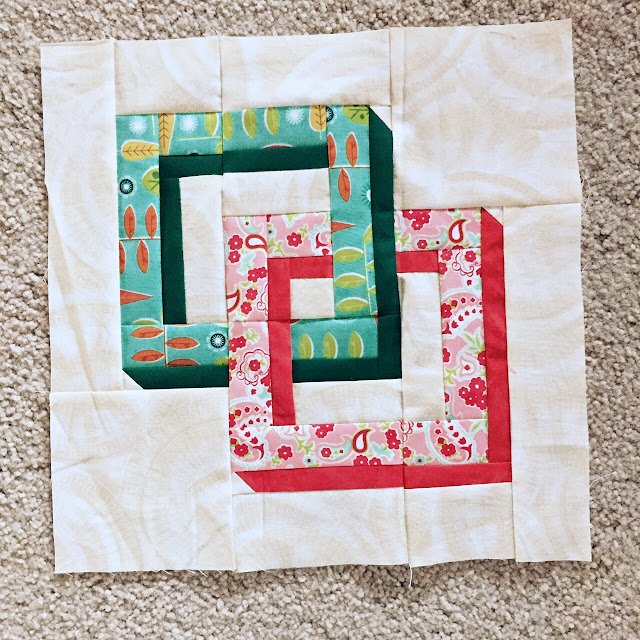
Another reason the ILLUSION BLOCK Quilt Pattern continues to attract attention is its compatibility with both traditional and modern quilting aesthetics. It can be built using neutral fabrics for a classic interior look or bold prints for contemporary statement pieces. Because the design naturally draws attention, it works especially well in bed quilts, decorative wall hangings, and artistic seasonal projects. Understanding how the block functions helps quilters improve not only this pattern, but also their overall skill in fabric value selection, layout planning, and visual composition.
Understanding the Structure of the ILLUSION BLOCK Quilt Pattern
At first glance, the ILLUSION BLOCK Quilt Pattern may appear highly technical, but its foundation usually begins with a combination of simple units such as squares, rectangles, and half-square triangles. These small pieces are arranged strategically so the eye interprets movement and depth. The illusion does not come from unusual cutting methods, but from precise organization.
A successful result depends heavily on contrast. Light fabrics placed next to darker tones create boundaries that define the visual effect. Without clear contrast, the illusion may appear flat or lose its intended impact. For this reason, many quilters test fabric combinations before sewing full rows.
Block measurement accuracy is equally important. Even a small variation in seam allowance can affect alignment and reduce the clean visual flow needed for this design. Many experienced quilters recommend pressing carefully after every seam to maintain exact edges.
The pattern often benefits from chain piecing because multiple repeated units speed up construction while preserving consistency. Since many sections repeat, organizing pieces before stitching reduces errors later in assembly. This also helps maintain directional control if certain fabrics have visual movement.
Fabric texture can influence the illusion more than many beginners expect. Solid fabrics usually create the strongest effect because they allow contrast to remain clear. However, subtle prints can also work if they do not interfere with the block geometry.
When arranged into a larger quilt, each block interacts with surrounding blocks to expand the illusion further. A single block may look simple, but repeated placement often creates a larger secondary design that becomes the highlight of the finished quilt.
Choosing Fabrics and Colors for Maximum Visual Impact
Color selection is one of the most important decisions when making an ILLUSION BLOCK Quilt Pattern because the entire visual concept depends on how tones interact. Instead of choosing fabrics only by favorite color, quilters benefit from thinking in terms of light, medium, and dark value.
A monochromatic palette can create elegant depth because subtle tonal changes become more visible when hue remains consistent. Shades of blue, gray, or beige often produce refined results that feel sophisticated and calm in home décor.
Bold contrast offers a stronger illusion. Pairing black with white, navy with cream, or deep burgundy with pale pink often gives the block a dramatic architectural quality. This is especially effective when the quilt is intended as a statement piece.
Warm and cool tones can also influence visual movement. Warm fabrics tend to appear closer to the eye, while cool tones often recede. Using this principle strategically strengthens the illusion naturally without changing the block layout.
Fabric scale matters too. Large prints may distract from the block’s geometry, while small prints or solids maintain clarity. If prints are used, they should support rather than dominate the pattern.
Before cutting, many quilters place selected fabrics side by side under natural light. This simple step often reveals whether contrast is strong enough. A combination that looks balanced indoors may appear very different during daylight.
Sewing Techniques That Improve Precision and Finish
Precision is essential in the ILLUSION BLOCK Quilt Pattern because the illusion depends on exact alignment. Small inconsistencies can interrupt the visual rhythm, making the final layout appear uneven even if each seam seems minor on its own.
A consistent quarter-inch seam allowance is the foundation of successful piecing. Many quilters test seam width before beginning by sewing sample strips and measuring the finished unit carefully.
Pressing should be done with intention rather than speed. Pressing seams flat before opening them improves fabric behavior and reduces bulk. This creates cleaner intersections when rows are joined later.
Using fine pins or clips helps maintain corner alignment, especially where multiple seams meet. Since illusion patterns often rely on exact directional points, holding pieces firmly before stitching prevents shifting.
Trimming units after assembly is another useful step. Half-square triangles and smaller components should be squared before joining them into larger sections. This improves block consistency across the entire quilt.
Working in sections allows easier correction. Instead of sewing an entire row immediately, assembling smaller segments first helps identify alignment problems early. This saves time and preserves fabric accuracy.
Final block inspection before joining rows is worth the extra attention. A quick visual check often catches rotated pieces, which can dramatically alter the illusion effect if left unnoticed.
Creative Ways to Use the Finished Quilt in Modern Projects
Once completed, an ILLUSION BLOCK Quilt Pattern offers more than traditional bed quilt use. Because of its striking visual effect, it adapts beautifully to decorative and practical projects that highlight craftsmanship.
Wall quilts are especially effective because viewers can appreciate the illusion from a distance. Hanging the quilt vertically allows light to interact with the block arrangement and emphasize depth.
Table runners made with illusion blocks create elegant focal points in dining spaces. A repeated sequence of blocks across a narrow format often intensifies the movement effect.
Cushion covers offer another creative application. A single illusion block centered on a pillow can transform a simple room accent into a handmade statement piece.
Many quilters also use this pattern in seasonal décor by changing fabric themes. Autumn tones, winter neutrals, or spring florals allow the same construction method to produce entirely different moods.
Baby quilts can benefit from softer versions of the pattern using pastel tones. The illusion remains gentle while introducing visual interest that feels playful and modern.
For larger quilts, combining illusion blocks with plain borders often improves balance. A calm border gives the eye room to rest and helps the center design remain the main focus.
FAQ About ILLUSION BLOCK Quilt Pattern
Is the ILLUSION BLOCK Quilt Pattern suitable for beginners?
Yes, many beginners can successfully make this pattern if they focus on precision and begin with careful fabric organization. The design looks advanced, but it often uses basic quilting units.
Which fabrics work best for illusion quilting?
Solid fabrics or subtle prints usually perform best because they allow contrast to remain visible and the illusion effect to stay clear.
Why does my illusion effect look weak after sewing?
The most common reason is insufficient contrast between fabric values. Light, medium, and dark differences must be obvious.
Can I enlarge the block size?
Yes, enlarging the block often makes construction easier because pieces become less delicate while preserving the same design principles.
Do I need special rulers for this pattern?
A standard quilting ruler is usually enough, although precise square rulers help improve trimming accuracy.
How many colors should I use?
Three clear value levels often produce the strongest result, though more colors can work if contrast remains well planned.
Can this pattern be hand sewn?
Yes, but machine sewing often provides more uniform seam consistency, which helps maintain the illusion.
What is the best quilting style for finishing?
Simple straight-line quilting often complements the geometric design without competing with the visual effect.
PATTERN HERE
The ILLUSION BLOCK Quilt Pattern demonstrates how thoughtful placement of shape, value, and color can transform simple quilting units into a visually powerful design. Throughout this article, we explored block structure, fabric selection, precision sewing techniques, and creative ways to use the finished result in modern quilting projects. One of the greatest strengths of this pattern is its ability to appear sophisticated while still being built from manageable components.