
Autumn Leaves Quilt Pattern is one of the most charming ways to bring seasonal warmth, texture, and color into quilting projects, especially for those who appreciate designs inspired by nature. The beauty of this classic pattern comes from the way falling leaves can be translated into fabric through careful color choices, geometric balance, and creative block arrangement. Quilters often choose this style because it captures the soft atmosphere of autumn while still allowing endless personalization in layout, scale, and tone. 🍂
The visual appeal of Autumn Leaves Quilt Pattern lies in its ability to combine traditional quilting techniques with a natural theme that never feels outdated. Shades such as rust, mustard, burgundy, brown, olive, and soft cream help create depth and movement, making each quilt look rich and welcoming.
Even beginners often feel encouraged by this pattern because it can be adapted into simple blocks or expanded into more advanced compositions without losing its recognizable identity.
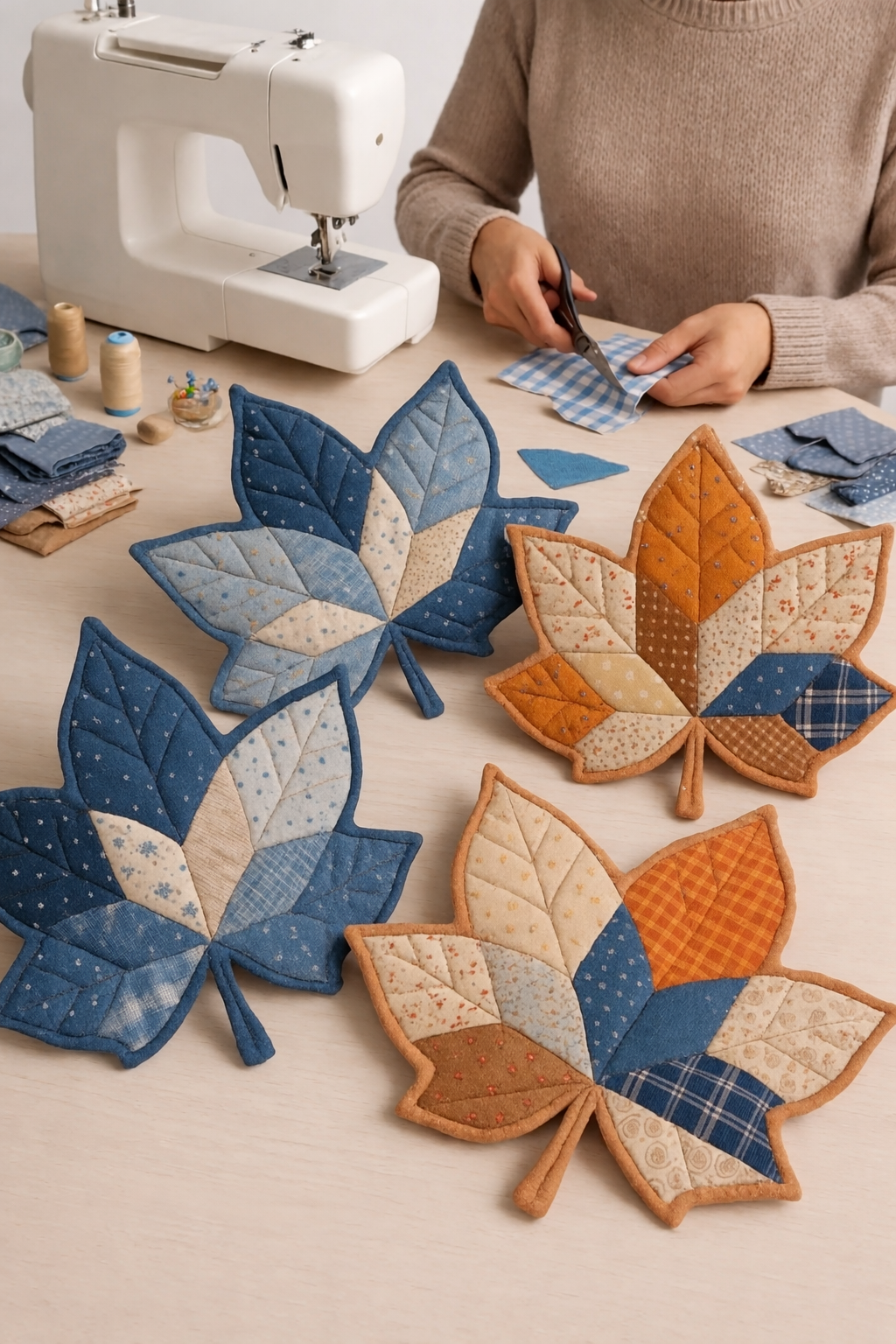
Another reason why Autumn Leaves Quilt Pattern remains popular is its versatility in home décor and gift-making. A finished quilt can be used as a bed covering, wall display, sofa accent, or seasonal decorative piece during cooler months. Because autumn imagery naturally suggests comfort and handmade warmth, this pattern also performs well in online searches, making it highly valuable for crafters who create content optimized for seasonal quilting topics and SEO visibility. 🍁
Understanding the Beauty Behind Autumn-Inspired Quilt Design
The first element that makes Autumn Leaves Quilt Pattern stand out is color harmony. Autumn palettes naturally provide strong visual contrast without becoming overwhelming. Warm reds, burnt oranges, deep golds, and muted greens create movement similar to leaves scattered across the ground.
Fabric selection has a major influence on the final appearance. Solid fabrics produce a cleaner and more modern result, while printed fabrics can create a more rustic and organic effect. Many quilters combine both to achieve balance between definition and texture.
Leaf block shapes vary greatly depending on the desired style. Some patterns use sharp angular leaves made with half-square triangles, while others prefer curved appliqué leaves for a softer appearance. Both methods work beautifully when arranged thoughtfully.
Background fabric also deserves careful attention. Neutral tones like cream, beige, soft gray, or pale tan help highlight the leaf blocks without competing visually. A darker background can create dramatic contrast, especially for wall quilts.
Scale is another design decision that changes the quilt’s personality. Large leaves make a bold statement and are ideal for quick projects, while smaller repeated leaves create detail and visual richness.
Seasonal quilting often benefits from storytelling through arrangement. Some quilters position leaves as if they are falling diagonally across the quilt, adding natural movement that makes the composition feel alive. 🍂
Choosing Fabrics and Color Combinations for a Rich Seasonal Effect
When planning an Autumn Leaves Quilt Pattern, choosing fabrics should begin with a clear palette. Limiting the palette helps maintain harmony even when using multiple prints.
A useful method is selecting one dominant warm tone, one contrasting darker tone, and one neutral fabric. This creates visual layering and prevents the quilt from appearing too busy.
Cotton remains the most practical fabric choice because it is stable, easy to cut, and ideal for piecing leaf blocks accurately. Quilting cotton also holds pressing lines well, which is essential for crisp seams.
Texture can be introduced through subtle prints that resemble bark, branches, tiny florals, or natural grain patterns. These details enrich the autumn theme without distracting from the main leaf motif.
Many quilters enjoy creating gradient effects, where leaf colors transition from light gold to deep burgundy across the quilt surface. This technique adds sophistication and natural realism.
Using repeated accent colors helps unify the composition. Even a small repeated shade of deep brown or muted green can visually connect distant blocks and improve design flow. 🍁
Construction Techniques That Improve Precision and Visual Balance
Precision is essential when building an Autumn Leaves Quilt Pattern, especially if the design includes pointed leaf tips and angled stems. Accurate cutting improves alignment from the beginning.
Half-square triangles are commonly used in leaf construction because they allow clean geometric shaping. Consistent seam allowance ensures each leaf block remains uniform in size.
Pressing direction matters more than many beginners expect. Pressing seams consistently reduces bulk and makes final assembly easier, especially where several points meet.
Some quilters prefer foundation piecing for sharper details. This method offers excellent control and is particularly useful when working with small leaf units.
Appliqué offers another construction path. Instead of piecing many angles, fabric leaves are attached to a background block using decorative stitching or invisible edge finishing.
Before final assembly, laying all blocks on a flat surface helps evaluate spacing, color rhythm, and directional movement. Small changes at this stage often improve the final quilt dramatically. 🍂
Styling, Finishing, and Using an Autumn Leaves Quilt Throughout the Year
Border choices strongly influence how an Autumn Leaves Quilt Pattern is perceived. A narrow border keeps focus on the leaf blocks, while a wider border adds framing and elegance.
Quilting stitches can reinforce the seasonal theme. Curved stitching lines may imitate wind movement, while leaf-outline quilting adds texture directly related to the motif.
Batting selection changes the final feel of the quilt. Lightweight batting creates a flatter decorative piece, while thicker batting adds softness for everyday comfort.
Binding color should complement rather than dominate. Deep brown, rust, or muted gold often work beautifully because they frame the quilt naturally.
This pattern is highly adaptable for seasonal table runners, cushions, wall hangings, and lap quilts. Smaller projects are ideal for testing new color combinations.
Although strongly associated with autumn, many makers use Autumn Leaves Quilt Pattern year-round because botanical themes remain timeless in interior decoration. 🍁
FAQ About Autumn Leaves Quilt Pattern
Is Autumn Leaves Quilt Pattern suitable for beginners?
Yes, many versions are beginner-friendly, especially those based on simple squares and half-square triangles. Starting with larger blocks makes the process easier.
Which colors work best for an Autumn Leaves Quilt Pattern?
Warm tones such as orange, burgundy, mustard, brown, olive, and cream are the most popular because they reflect natural autumn landscapes.
Can I mix printed and solid fabrics?
Yes, combining solids and prints often creates depth. The key is keeping the color palette controlled so the design remains balanced.
What size should leaf blocks be for a first project?
Blocks between 8 and 12 inches usually offer enough detail without becoming difficult to assemble.
Is appliqué better than piecing for leaf quilts?
It depends on style preference. Piecing gives a structured look, while appliqué creates softer leaf shapes.
Can this quilt pattern be used for seasonal home décor?
Absolutely. Many quilters adapt the design into table runners, pillow covers, and decorative wall pieces.
How do I avoid a cluttered design?
Use repeated background fabric and limit the number of competing prints. Consistency helps maintain visual order.
What quilting stitch style matches this theme best?
Organic curves, leaf outlines, and soft diagonal lines usually complement the autumn theme beautifully.
The Autumn Leaves Quilt Pattern offers a beautiful combination of seasonal inspiration, creative freedom, and timeless quilting tradition. Throughout this article, we explored how color harmony, fabric selection, construction techniques, and finishing details all contribute to a successful project. From beginner-friendly block choices to more artistic arrangements, this pattern allows quilters to express autumn in fabric with elegance and personality. 🍂