
Frog Crochet Pattern projects are a delightful way to combine creativity, relaxation, and handmade charm in one enjoyable craft experience. For beginners and experienced makers alike, creating a small frog with yarn offers a satisfying balance between simple stitches and adorable results. The appeal of a frog crochet pattern comes from its versatility: it can become a toy, a decorative item, a keychain, a baby gift, or even part of a seasonal handmade collection. Because frogs are playful and recognizable, they naturally attract attention in the world of crochet and often become favorite projects for people who enjoy making cute handmade figures.
The growing popularity of crochet animals has made frog designs especially valuable for crafters looking for timeless ideas that remain attractive all year. A handmade frog can be customized in many ways, including color combinations, size variations, accessories, and facial expressions. This makes each project unique even when following the same Frog Crochet Pattern instructions. Some crafters prefer classic green frogs, while others experiment with pastel shades, soft neutrals, or vibrant artistic tones that create modern handmade pieces.
Another reason why a Frog Crochet Pattern remains highly searched online is because it fits many skill levels. A beginner can start with a basic rounded body and simple legs, while advanced crocheters may add textured stitches, layered limbs, embroidered details, and clothing accessories.
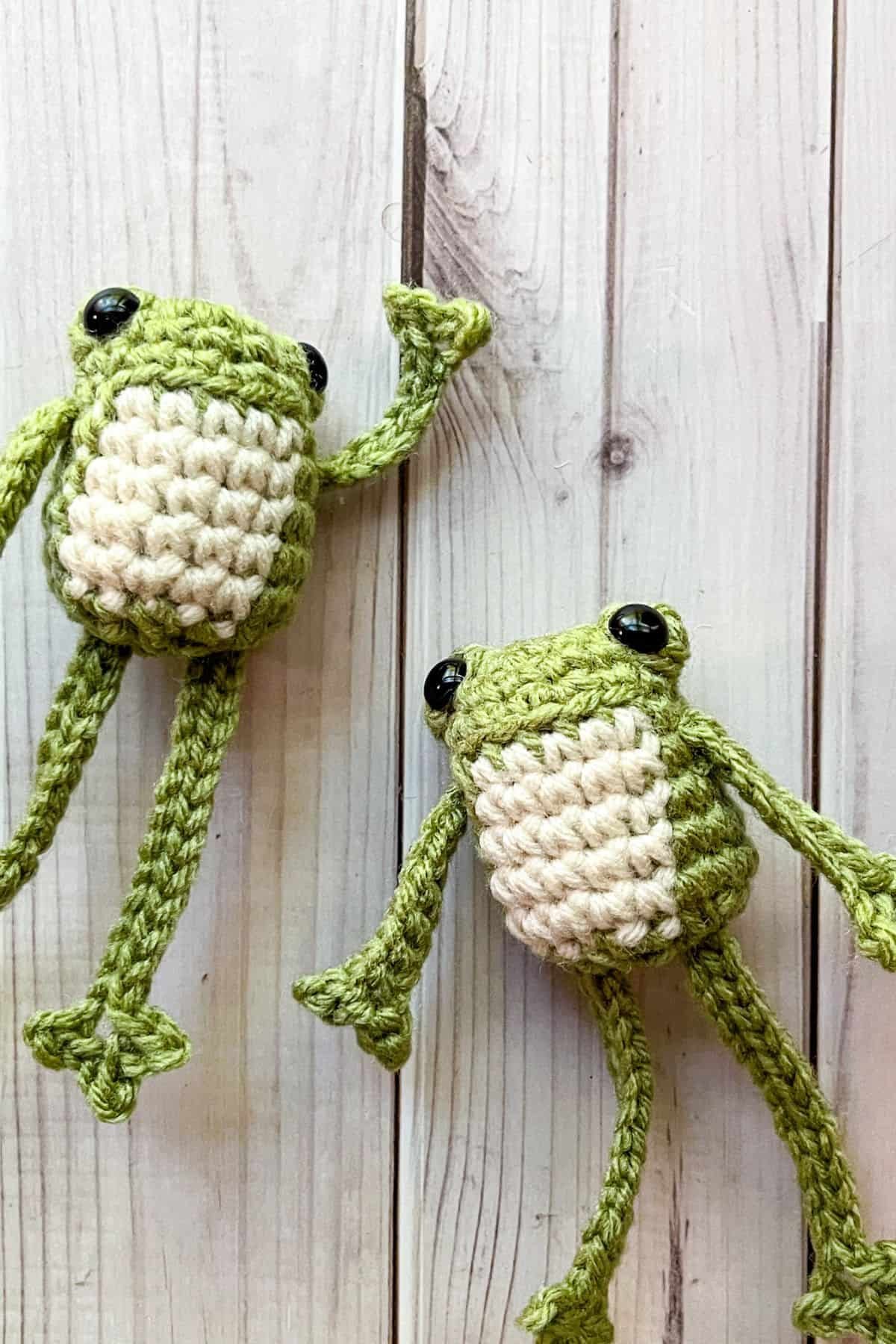
The process also helps strengthen stitch consistency and pattern reading ability, making frog projects both decorative and educational for crochet development. When designed carefully, a frog pattern can become one of the most enjoyable projects in any yarn collection.
Choosing Materials for a Beautiful Frog Crochet Pattern
The first step in achieving excellent results with a Frog Crochet Pattern is selecting yarn that matches the desired texture. Cotton yarn is often preferred because it provides stitch definition and helps small details remain visible. Acrylic yarn is another common choice because it is affordable, widely available, and soft enough for plush toys. The material chosen directly influences the final appearance of the frog, especially in rounded sections such as the head and body.
Hook size also plays an essential role in shaping a successful crochet frog. A slightly smaller hook than normally recommended for the yarn creates tighter stitches, which helps stuffing remain hidden inside the project. Tight stitches also give the frog a cleaner and more professional finish. This is particularly important when making amigurumi-style frogs, where stitch consistency strongly affects the final symmetry.
Stuffing material should be lightweight and evenly distributed. Uneven filling can distort the frog’s face or body shape, especially around narrow sections such as the legs and arms. Soft polyester fiberfill is commonly used because it maintains volume without creating lumps inside the crochet piece.
Safety eyes are often used in modern Frog Crochet Pattern designs because they instantly create character. However, embroidered eyes are also excellent, especially for baby-safe projects. Embroidery allows full control over expression and can give each frog a unique personality.
Color planning deserves attention before starting. Green remains classic, but combinations like mint with cream, olive with beige, or pastel tones can create elegant variations. Some crafters even use striped yarn for a playful result that adds originality to the project.
Accessories such as bows, scarves, hats, or tiny flowers can completely transform the final frog. These small additions help personalize the project and increase its decorative appeal for gifts or seasonal displays.
Understanding the Basic Structure of a Frog Crochet Pattern
Most Frog Crochet Pattern projects begin with a circular base created using a magic ring. This method allows a smooth center without visible holes and provides a clean foundation for shaping the frog’s head or body. Learning to control increases during these first rounds is essential for maintaining symmetry.
The head usually forms the largest part of the frog and often blends directly into the body in beginner-friendly designs. In more advanced versions, the head and body are crocheted separately and sewn together for better shaping. This approach allows more control over proportions and expression.
Leg construction is one of the most distinctive features of a frog design. Rear legs are often slightly longer and bent to imitate the natural sitting posture of frogs. Front legs are generally shorter and attached closer to the chest area.
Eye placement gives personality to the entire frog. Raised eyes are especially common because frogs naturally have prominent eyes. These can be made as small circles and sewn onto the top of the head to create an instantly recognizable look.
Mouth embroidery should remain simple but balanced. A small curved smile often works best because it creates a friendly appearance without overwhelming facial proportions. Some patterns add tiny blush details using embroidery thread.
Assembly requires patience. Attaching each part symmetrically ensures the final frog looks balanced from every angle. Many experienced crafters pin all pieces before sewing permanently to confirm positioning.
Creative Ways to Personalize a Frog Crochet Pattern
One of the biggest advantages of using a Frog Crochet Pattern is the freedom to customize every detail. A frog can be transformed into a seasonal decoration simply by changing accessories or colors. For spring themes, soft floral details create freshness and charm.
A frog can also become a themed gift. For example, adding a tiny graduation cap, scarf, or miniature backpack creates a memorable personalized handmade present. These details make the project feel unique and thoughtful.
Size variation offers another creative possibility. A miniature frog works perfectly as a keychain or bag charm, while a larger version becomes a decorative plush toy suitable for children’s rooms or shelves.
Texture changes can elevate a simple project. Mixing smooth yarn with textured yarn in small sections adds visual contrast. Some crafters use velvet yarn for extra softness, especially when creating plush decorative frogs.
Color storytelling is another creative technique. Instead of a traditional green frog, soft pink, blue, yellow, or neutral shades create artistic versions that appeal to different audiences and decorative styles.
Adding clothing pieces can completely change the frog’s personality. Tiny sweaters, skirts, overalls, or hats often become favorite additions because they allow seasonal collections and themed handmade sets.
Why Frog Crochet Pattern Projects Remain Popular in Handmade Crafting
The popularity of Frog Crochet Pattern designs continues because frogs represent friendliness, nature, and playful creativity. Their simple shape makes them accessible to beginners while still offering endless opportunities for advanced customization.
Many crafters enjoy frogs because they work well as fast projects. Smaller frogs can often be completed within a short period, which creates quick satisfaction and encourages continued crochet practice.
Social media also contributes to the popularity of crochet frog projects. Cute handmade frogs photograph beautifully and often attract strong engagement because they combine softness, personality, and handmade artistry.
Gift value is another major reason for their success. Handmade frogs are often given as thoughtful presents for birthdays, baby showers, school gifts, and handmade collections.
The pattern also adapts well to selling handmade items. Because frogs are universally recognizable and appealing across age groups, they often perform well in craft markets and handmade product collections.
Finally, the emotional appeal of making something cheerful keeps this project highly relevant. A finished frog often brings a smile, which is one reason many crafters return to frog patterns repeatedly throughout their crochet journey.
FAQ About Frog Crochet Pattern
Is a Frog Crochet Pattern good for beginners?
Yes, many frog patterns are beginner-friendly because they use basic stitches such as single crochet, increases, and decreases.
Which yarn works best for a crochet frog?
Cotton yarn is excellent for stitch definition, while acrylic yarn offers softness and affordability.
How long does it take to complete a frog crochet project?
A simple frog may take only a few hours, while detailed versions can require more time depending on complexity.
Can I make a frog without safety eyes?
Yes, embroidered eyes are a safe and beautiful alternative, especially for children’s toys.
What size hook is commonly used for a frog crochet pattern?
The hook size depends on the yarn, but many amigurumi projects use smaller hooks for tighter stitches.
Can I sell finished frogs made from my own crochet work?
In most cases, handmade finished pieces can be sold when created personally, especially when using general pattern inspiration responsibly.
A well-made Frog Crochet Pattern offers far more than a simple crochet project. It teaches structure, stitch control, assembly techniques, and creative personalization while producing an adorable final result. From choosing yarn and shaping the body to adding facial details and accessories, each stage contributes to building crochet confidence and artistic expression. Whether the goal is gifting, decorating, learning, or building a handmade collection, frog projects remain one of the most enjoyable themes in crochet. If you enjoyed this article, leave your honest opinion and share suggestions about which crochet themes you would like to explore next 🧶🐸✨