
Quilt Hidden Wells Pattern is a fascinating quilting technique that combines creativity, precision, and visual impact into a single project. Quilters around the world admire this pattern because it creates an illusion of movement and depth using simple fabric strips and strategic cutting methods.
Whether you are a beginner looking to expand your quilting skills or an experienced quilter searching for a fresh challenge, this pattern offers endless possibilities for unique and beautiful designs.One of the reasons the Quilt Hidden Wells Pattern remains so popular is its versatility.
By changing fabric colors, contrasts, and arrangements, quilters can achieve dramatically different results while following the same basic construction method. This flexibility makes it an ideal project for using fabric scraps, coordinating collections, or even experimenting with bold color combinations that highlight the pattern’s distinctive appearance.
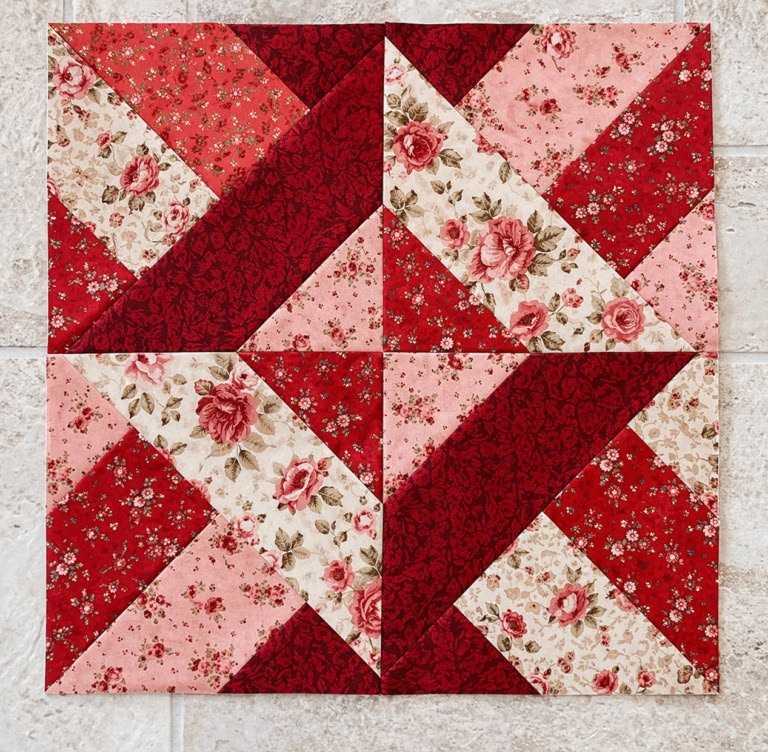
Another appealing aspect of the Quilt Hidden Wells Pattern is the sense of discovery it provides throughout the quilting process. At first glance, the construction may seem straightforward, but as the strips are rearranged and sewn together, intricate geometric effects begin to emerge. This transformation keeps the project engaging from start to finish and often surprises quilters with the stunning final outcome.
Understanding the Basics of the Quilt Hidden Wells Pattern
The Quilt Hidden Wells Pattern is built upon a simple strip-piecing technique. Long strips of fabric are sewn together to create a larger unit before being cut and rearranged. This approach simplifies construction while producing complex-looking designs.
Many quilters appreciate this pattern because it does not require advanced templates or specialized equipment. Standard quilting tools such as rotary cutters, rulers, and sewing machines are usually sufficient for completing the project successfully.
Color selection plays a major role in the overall appearance of the finished quilt. High-contrast fabrics often emphasize the geometric shapes, while softer color palettes create a more subtle and elegant effect.
The pattern derives its name from the visual illusion of depth created by the arrangement of fabric strips. Certain layouts appear to create wells, tunnels, or layered pathways across the quilt surface.
Because the technique relies heavily on strip piecing, it can be relatively fast compared to more intricate block-based quilt designs. This makes it appealing to quilters who enjoy efficient construction methods.
The flexibility of the pattern allows for countless design variations. Quilters can experiment with strip widths, color placement, and layout configurations to create a truly personalized project.
Choosing Fabrics and Colors for the Best Results
Fabric selection is one of the most important decisions when creating a Quilt Hidden Wells Pattern. The right combination of colors and prints can dramatically enhance the visual impact of the design.
Many quilters prefer using fabrics with varying levels of contrast. Light, medium, and dark values help define the pattern and make the geometric effects more noticeable.
Solid fabrics often showcase the structure of the design very clearly. However, prints can add texture and personality, especially when used thoughtfully throughout the quilt.
When selecting colors, consider the mood you want the quilt to convey. Warm colors such as reds, oranges, and yellows create energy, while blues, greens, and purples often provide a calming effect.
Scrap fabric collections work exceptionally well with this pattern. The repeated cutting and rearranging process can transform even small fabric pieces into a cohesive and visually appealing quilt.
Before beginning the project, it is helpful to arrange fabrics side by side and evaluate how they interact. Taking time during the planning stage often leads to a more balanced and attractive final design.
Step-by-Step Construction Process
Creating a Quilt Hidden Wells Pattern begins with cutting fabric strips of equal width. Consistency is essential because uniform strips contribute to accurate assembly and clean results.
The strips are sewn together lengthwise to form a larger strip set. Pressing the seams carefully after sewing helps maintain accuracy and reduces bulk throughout the project.
Once the strip set is complete, it is cut into segments. These segments become the building blocks that will later be rearranged to create the hidden wells effect.
The segments are then rotated and repositioned according to the desired layout. This stage is where the magic of the pattern begins to appear, revealing unique visual pathways and geometric shapes.
After determining the arrangement, the segments are sewn together into rows. Maintaining consistent seam allowances is important for ensuring the pieces align correctly.
Finally, the rows are joined to create the quilt top. Once completed, the quilt can be layered, quilted, and bound using standard quilting techniques to achieve a polished finish.
Tips for Success and Creative Design Ideas
Planning your layout before sewing can significantly improve the final appearance of your Quilt Hidden Wells Pattern. Many quilters find it helpful to place pieces on a design wall and experiment with different arrangements.
Photographing various layout options can provide a fresh perspective. Sometimes a design that appears ordinary in person becomes much more striking when viewed in a photograph.
Do not be afraid to experiment with unconventional color combinations. Bold contrasts often produce dramatic visual effects that make the quilt stand out.
Scale is another factor worth considering. Larger quilts may require additional strip sets, while smaller projects such as wall hangings can showcase the pattern beautifully on a more compact scale.
Adding decorative quilting designs can further enhance the finished project. Straight-line quilting often complements the geometric nature of the pattern, while free-motion quilting adds texture and artistic flair.
Most importantly, enjoy the creative process. Every version of the Quilt Hidden Wells Pattern is unique, and the journey of discovering new arrangements is part of what makes this quilting technique so rewarding.
FAQ About Quilt Hidden Wells Pattern
……………………………PDF HERE………………………..
What is a Quilt Hidden Wells Pattern?
A Quilt Hidden Wells Pattern is a quilting technique that uses strip piecing, cutting, and rearranging fabric segments to create geometric designs with the illusion of depth and movement.
Is the Quilt Hidden Wells Pattern suitable for beginners?
Yes. While the finished design appears complex, the construction process is relatively straightforward and can be completed by beginners who are comfortable with basic sewing and cutting techniques.
What fabrics work best for this pattern?
Both solid fabrics and printed fabrics can work well. The key is selecting colors with sufficient contrast to highlight the geometric effects of the design.
How much fabric is needed for a Hidden Wells quilt?
The amount depends on the desired quilt size. Smaller projects require less fabric, while bed-sized quilts may need multiple strip sets and additional yardage.
Can I use scrap fabrics?
Absolutely. Scrap fabrics are often an excellent choice because the pattern naturally blends different colors and prints into a cohesive design.
What quilting style works best with this pattern?
Straight-line quilting is a popular choice because it complements the geometric layout. However, free-motion quilting can also add beautiful texture and visual interest.
Why is this pattern so popular among quilters?
The pattern is popular because it combines simple construction methods with visually impressive results. It offers endless opportunities for customization and creative expression.
Conclusion
The Quilt Hidden Wells Pattern is a wonderful quilting technique that transforms simple fabric strips into eye-catching geometric designs filled with depth, movement, and creativity. Throughout this article, we explored the fundamentals of the pattern, discussed fabric and color selection, reviewed the construction process, and shared practical tips for achieving beautiful results. One of the greatest strengths of this pattern is its versatility, allowing quilters to create unique projects that reflect their personal style while using straightforward piecing methods.