
Cross stitch Crochet Pattern
Cross stitch Crochet Pattern is a creative way to combine two beloved needlecraft traditions into one beautiful handmade result. While crochet is known for building texture through loops and stitches, cross stitch adds decorative detail by creating embroidered motifs directly onto crocheted surfaces.
This combination allows crafters to transform simple projects into personalized works filled with color, meaning, and artistic identity. For many artisans, learning how these two techniques work together opens a new level of creative freedom and gives handmade pieces a refined and elegant appearance ✨🧶
The growing popularity of Cross stitch Crochet Pattern designs comes from their versatility. A simple crochet square can become a decorative cushion, a tote bag, a baby blanket, or even wall art when cross stitch details are added carefully. Because the base crochet fabric naturally forms a grid-like structure, it becomes an ideal surface for embroidered crosses, making pattern transfer practical even for beginners. This is one reason why many crafters enjoy experimenting with geometric motifs, floral elements, initials, and seasonal themes.
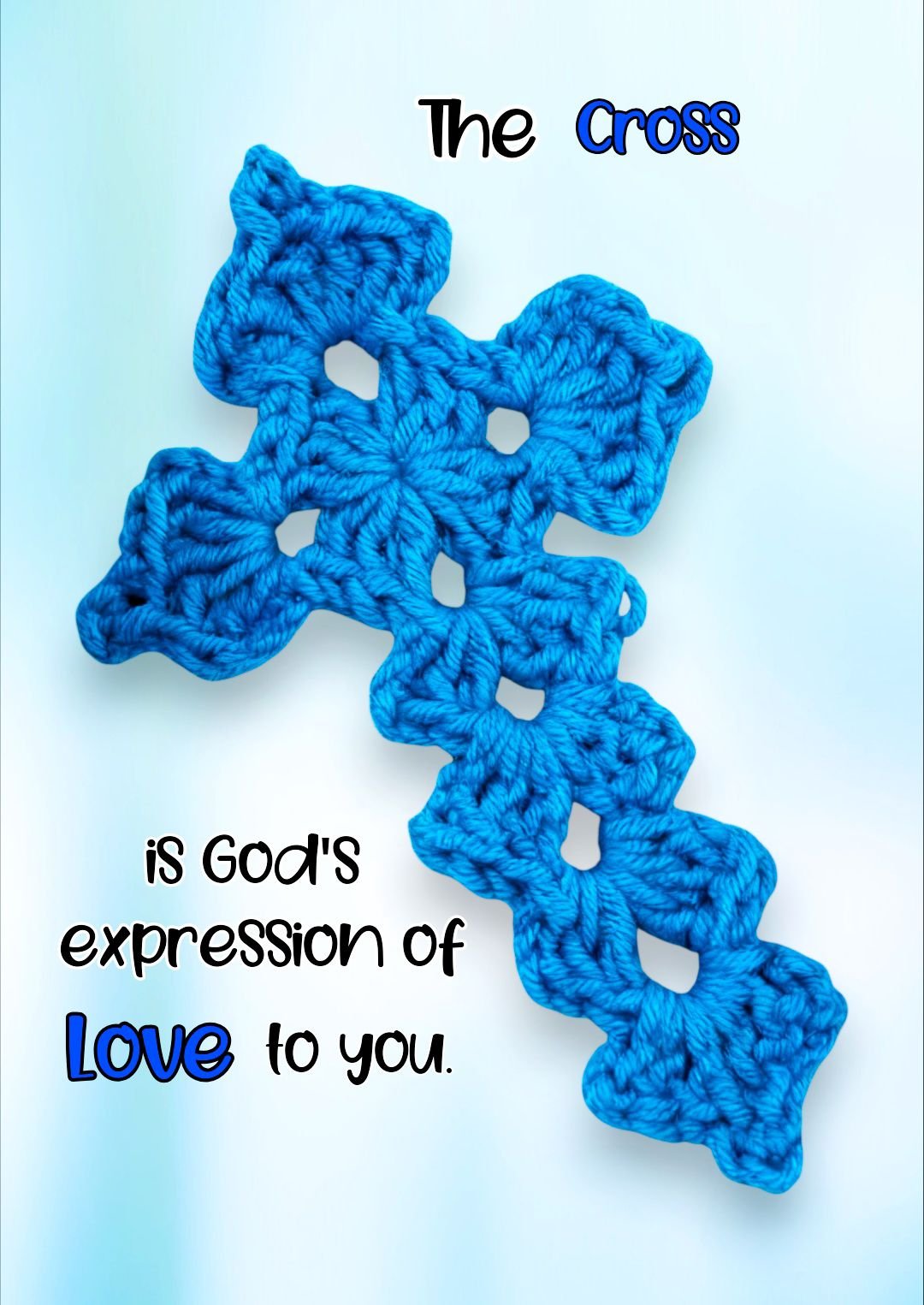
Another reason why Cross stitch Crochet Pattern projects attract so much attention is their emotional value. Handmade pieces often carry memories, and adding embroidered details makes each item even more personal. A simple blanket becomes a family keepsake when decorated with names, dates, or symbolic designs. In modern crafting communities, this technique is appreciated not only for aesthetics but also because it encourages slower, more intentional creativity, where every stitch contributes to a meaningful final result.
Understanding the Basics of Cross stitch Crochet Pattern
Before starting any Cross stitch Crochet Pattern, it is important to understand how crochet fabric interacts with embroidery. The most recommended crochet base is single crochet because it creates a compact and regular surface. This regularity helps maintain alignment when placing embroidered crosses and keeps the final design visually balanced.
Choosing the correct yarn is another essential step. Medium-weight yarn often works best because it provides enough structure without becoming too bulky. Smooth yarn textures also make embroidered stitches more visible, allowing the decorative pattern to stand out clearly.
Needle selection plays a major role in achieving clean results. A blunt tapestry needle is usually preferred because it passes through crochet stitches without splitting fibers. This protects the structure of the crochet while allowing precise embroidery placement.
Many beginners start with simple motifs such as hearts, stars, or small flowers. These small patterns help develop counting skills and stitch consistency before moving into more detailed designs. Starting small also reduces frustration during the learning process.
Color planning should happen before stitching begins. Contrasting shades help the embroidered design appear clearly against the crochet background. Soft color harmony can create elegant effects, while bold contrast creates visual impact.
Patience is one of the most valuable skills when learning Cross stitch Crochet Pattern techniques. Since embroidery follows counted placement, attention to detail improves the final appearance and prevents uneven sections.
Choosing the Best Materials for a Beautiful Result
Material quality directly influences the final beauty of any Cross stitch Crochet Pattern project. Yarn with consistent thickness allows the crochet base to remain even, which makes embroidery much easier to execute accurately.
Cotton yarn is often preferred because it offers stitch definition and durability. Acrylic yarn can also work well, especially for decorative items, but smoother textures generally provide better embroidery clarity.
The embroidery thread should complement the crochet yarn rather than overpower it. Some crafters use the same yarn for embroidery, while others prefer thinner thread to create delicate details. Both methods can produce excellent results depending on the project style.
Hooks should match yarn thickness carefully. If the crochet base becomes too loose, embroidered crosses may distort. A firm fabric usually supports better stitch placement and creates more professional visual results.
Lighting conditions matter more than many people realize. Working under good light helps identify stitch rows clearly, especially when following counted patterns. This becomes particularly important in detailed designs.
Organizing materials before starting saves time and improves concentration. Keeping thread colors separated and needles ready helps maintain flow and prevents interruptions during the creative process 🧵😊
Creative Design Ideas for Cross stitch Crochet Pattern Projects
One of the most exciting parts of working with Cross stitch Crochet Pattern is exploring design possibilities. Floral motifs remain among the most popular because they adapt beautifully to blankets, bags, and decorative covers.
Alphabet designs are also widely appreciated. Personalized initials transform ordinary crochet items into thoughtful handmade gifts for birthdays, weddings, or baby celebrations.
Seasonal projects offer endless inspiration. Snowflakes, pumpkins, hearts, and festive motifs allow crafters to create decorations that match holidays throughout the year.
Geometric patterns are ideal for modern aesthetics. Clean lines and repeated forms create elegant visual rhythm and often suit home decor pieces such as pillow covers and table runners.
Animal-inspired motifs are especially loved in children’s projects. Small bears, birds, butterflies, or playful cats add charm to blankets and nursery accessories.
Combining multiple small motifs into one larger composition creates impressive visual storytelling. A simple crochet panel can become artistic when embroidered thoughtfully with coordinated elements.
Tips for Improving Technique and Creating Professional Finishes
Consistency is one of the biggest secrets behind a beautiful Cross stitch Crochet Pattern finish. Keeping tension even during embroidery prevents distortion and ensures each cross remains uniform.
Counting carefully before stitching reduces mistakes. Many experienced crafters mark the center of the project first, then build outward symmetrically.
Securing thread ends neatly is essential for durability. Loose ends may affect appearance and long-term use, especially in washable pieces.
Blocking the crochet base before embroidery can improve alignment. A properly shaped fabric allows stitches to sit more evenly across the surface.
Avoid pulling embroidery thread too tightly. Tight stitches may compress crochet rows and alter the design proportions unexpectedly.
Practicing regularly develops confidence. Every finished project teaches something valuable, and gradual improvement often leads to highly refined handmade results 🌸🪡
FAQ About Cross stitch Crochet Pattern
What is the easiest crochet stitch for cross stitch embroidery?
The easiest base is single crochet because it forms an even grid that supports counted embroidery clearly.
Can beginners learn Cross stitch Crochet Pattern easily?
Yes, beginners often adapt quickly when starting with simple motifs and using contrasting colors.
Which yarn is best for this technique?
Cotton yarn is highly recommended because it offers strong stitch definition and durability.
Should embroidery be done before or after assembling a crochet project?
Most crafters prefer embroidering before final assembly because it gives easier access to the full surface.
Can cross stitch be added to blankets?
Yes, blankets are one of the most popular surfaces for Cross stitch Crochet Pattern designs because they offer large decorative areas.
How do I prevent embroidery from becoming uneven?
Maintaining consistent tension and counting carefully before stitching helps keep designs aligned.
Is this technique suitable for gifts?
Absolutely. Personalized handmade items created with this method often become meaningful gifts.
Can multiple colors be used in one pattern?
Yes, multiple colors can create rich visual depth and make motifs more expressive.
Throughout this article, we explored how Cross stitch Crochet Pattern combines embroidery precision with crochet texture to create highly decorative handmade pieces. We looked at the basic principles, material choices, creative design ideas, and practical methods that help improve technique and produce cleaner finishes. This technique offers endless opportunities for personalization, whether the goal is creating gifts, home decor, or artistic projects.
By understanding how yarn, tension, color, and counted placement work together, it becomes easier to achieve elegant and durable results. Even simple projects can become visually impressive when embroidered thoughtfully.