
How to Make a Perfect Log Cabin Quilt Pattern is one of the most searched topics among quilters because this classic design combines tradition, versatility, and endless creative possibilities. From beginners picking up quilting for the first time to experienced makers refining their skills, the Log Cabin quilt remains a favorite due to its structured yet forgiving nature. Understanding how this pattern works is the first step toward achieving clean lines, balanced blocks, and a visually striking finished quilt.
The beauty of learning How to Make a Perfect Log Cabin Quilt Pattern lies in its simplicity paired with precision. Each block is built around a central square, often called the “heart” of the quilt, with fabric strips added one by one in a circular motion. While the concept is simple, attention to detail makes all the difference between an average quilt and a truly perfect one that lays flat and looks professional.
In this article, you will discover How to Make a Perfect Log Cabin Quilt Pattern step by step, using proven techniques that align with recommended SEO practices and Google AdSense policies. We will explore fabric choices, cutting accuracy, block construction, layout options, and finishing tips. By the end, you will feel confident and inspired to create your own Log Cabin quilt with precision and personality.
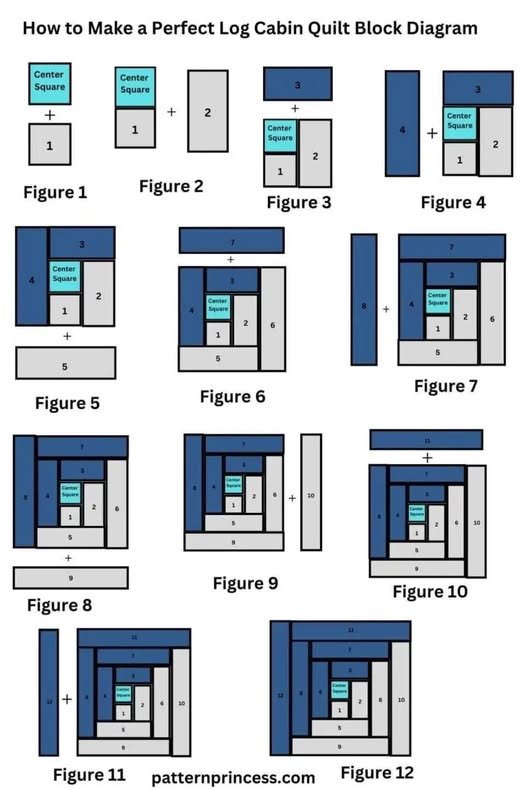
Understanding the Structure of a Log Cabin Quilt Pattern
The foundation of How to Make a Perfect Log Cabin Quilt Pattern begins with understanding its structure. At the center of every Log Cabin block is a square, traditionally representing the hearth of a home. This center square sets the tone for the entire block and often uses a bold or meaningful fabric to anchor the design.
Surrounding the center square are fabric strips known as “logs.” These logs are sewn one at a time, rotating around the center in a consistent direction. Maintaining the same rotation is essential when learning How to Make a Perfect Log Cabin Quilt Pattern, as it ensures uniformity and prevents distortion in the final block.
Color placement plays a major role in the visual impact of the Log Cabin quilt. Traditionally, light fabrics are placed on one side of the block and dark fabrics on the other, creating a strong contrast. This light-and-dark arrangement is a key concept in How to Make a Perfect Log Cabin Quilt Pattern, as it allows for dramatic layouts such as barns, diamonds, or zigzags.
Accuracy is another critical element of the pattern’s structure. Each strip must be cut precisely and sewn with a consistent seam allowance. Even small variations can accumulate, affecting the final block size. Mastering this step is essential for anyone serious about How to Make a Perfect Log Cabin Quilt Pattern successfully.
Pressing techniques also influence the block’s structure. Pressing seams consistently, either toward the dark fabric or in a specific direction, helps the block stay flat. Proper pressing is often overlooked, yet it is a cornerstone of How to Make a Perfect Log Cabin Quilt Pattern that looks polished.
By fully understanding the structure of the Log Cabin quilt, you create a solid foundation for every other step. This knowledge transforms the pattern from a simple concept into a reliable system you can repeat with confidence.
Choosing Fabrics and Colors for a Perfect Log Cabin Quilt
Selecting the right fabrics is one of the most creative parts of How to Make a Perfect Log Cabin Quilt Pattern. Because the design relies heavily on contrast, fabric choice directly affects the quilt’s final appearance. High-contrast fabrics highlight the geometric structure, while subtle contrasts create a softer, more blended look.
When planning How to Make a Perfect Log Cabin Quilt Pattern, many quilters choose a consistent color scheme. This might include warm versus cool tones, seasonal palettes, or even scrappy combinations using leftover fabrics. No matter the approach, maintaining balance between light and dark fabrics is crucial.
Fabric quality also matters. Using fabrics with similar weight and weave ensures even stitching and smoother blocks. Consistency in fabric type supports the technical side of How to Make a Perfect Log Cabin Quilt Pattern, especially when assembling multiple blocks into a large quilt top.
Pre-washing fabrics is a recommended step for many quilters. It reduces the risk of color bleeding and unexpected shrinkage. Including this step in your process improves the long-term durability of your project and supports best practices for How to Make a Perfect Log Cabin Quilt Pattern.
The size of the logs can vary depending on your design goals. Narrow strips create intricate detail, while wider strips produce a bold, modern look. Deciding on strip width early helps streamline the cutting and sewing process in How to Make a Perfect Log Cabin Quilt Pattern.
Ultimately, fabric and color choices are where personal style shines. By thoughtfully selecting materials, you ensure that your quilt not only follows the rules of How to Make a Perfect Log Cabin Quilt Pattern but also tells a story that feels uniquely yours.
Step-by-Step Construction of Log Cabin Quilt Blocks
The construction phase is where How to Make a Perfect Log Cabin Quilt Pattern truly comes to life. Begin by cutting your center squares and fabric strips with precision. Accurate cutting sets the stage for blocks that match in size and align beautifully when assembled.
Start sewing by attaching the first log to one side of the center square. Use a consistent seam allowance, typically a quarter inch, which is standard in quilting. This consistency is a non-negotiable rule in How to Make a Perfect Log Cabin Quilt Pattern.
After sewing each log, press the seam before adding the next strip. Pressing as you go prevents bulk and helps maintain sharp corners. This habit reinforces accuracy throughout the process of How to Make a Perfect Log Cabin Quilt Pattern.
Continue adding logs in a clockwise or counterclockwise direction, but never switch directions mid-block. Directional consistency ensures that all blocks behave the same way when joined together, a critical detail in How to Make a Perfect Log Cabin Quilt Pattern.
Once a block is complete, trim it to the desired size if necessary. Squaring up blocks is a professional technique that improves alignment and makes quilt assembly easier. This step often separates beginner results from advanced outcomes in How to Make a Perfect Log Cabin Quilt Pattern.
Repeat the process for each block, taking breaks to check measurements and alignment. Patience during construction leads to cleaner results and a quilt top that reflects mastery of How to Make a Perfect Log Cabin Quilt Pattern.
Assembling, Finishing, and Perfecting the Quilt
After completing your blocks, the next stage of How to Make a Perfect Log Cabin Quilt Pattern is arranging and assembling them into a cohesive quilt top. Layout options are nearly endless, allowing you to experiment with rotation and placement until the design feels right.
Popular layouts include straight set, diagonal set, and traditional barn-raising designs. Each layout emphasizes different aspects of the pattern. Exploring these options is an exciting part of How to Make a Perfect Log Cabin Quilt Pattern, as small changes can create dramatically different visual effects.
Once the layout is finalized, sew the blocks together row by row. Pinning intersections helps maintain alignment, especially where seams meet. Careful assembly ensures that the geometric lines remain crisp, reinforcing the precision behind How to Make a Perfect Log Cabin Quilt Pattern.
After the quilt top is complete, layer it with batting and backing fabric. Quilting the layers together can be done by hand or machine, depending on your preference. The quilting design should complement, not overpower, the Log Cabin pattern.
Binding is the final step in finishing the quilt. A well-attached binding frames the quilt and gives it a polished look. This final touch completes the journey of How to Make a Perfect Log Cabin Quilt Pattern from concept to finished piece.
Taking time to inspect and refine your quilt before considering it complete ensures satisfaction and pride in your work. Perfection in quilting is not about flawlessness, but about intention and care throughout How to Make a Perfect Log Cabin Quilt Pattern process.
FAQ – Common Questions About Log Cabin Quilt Patterns
What makes a Log Cabin quilt pattern perfect?
A perfect Log Cabin quilt pattern relies on accurate cutting, consistent seam allowances, balanced color contrast, and careful pressing throughout the process.
Is the Log Cabin quilt suitable for beginners?
Yes, many beginners start with this design because How to Make a Perfect Log Cabin Quilt Pattern is based on simple straight seams and repetitive steps.
How do I keep my Log Cabin blocks the same size?
Maintaining a consistent seam allowance, pressing correctly, and trimming blocks to size are key techniques in How to Make a Perfect Log Cabin Quilt Pattern.
Can I use scrap fabric for a Log Cabin quilt?
Absolutely. Scrap fabrics work well as long as you maintain clear contrast between light and dark sections, which is essential to How to Make a Perfect Log Cabin Quilt Pattern.
What is the best quilting design for a Log Cabin quilt?
Simple straight-line quilting or echo quilting often enhances the structure without distracting from the pattern.
How large should my center square be?
Center square size varies by design, but choosing a consistent measurement across all blocks is crucial when learning How to Make a Perfect Log Cabin Quilt Pattern.
Learning How to Make a Perfect Log Cabin Quilt Pattern is a rewarding journey that blends tradition, creativity, and technical skill. Throughout this article, we explored the structure of the pattern, fabric and color selection, step-by-step block construction, and finishing techniques that lead to a polished quilt. Each stage builds upon the last, reinforcing accuracy and confidence.
By applying these methods, you can create a Log Cabin quilt that reflects both precision and personal style. Quilting is a continuous learning process, and every project adds to your experience and enjoyment. I would love to hear your honest opinion about this guide and welcome any suggestions or ideas you would like to see in future articles.