

Origami with folded squares Quilt Pattern is a creative and visually striking quilting technique that blends the precision of origami-inspired folds with the warmth and tradition of patchwork quilting. From the very first stitch, this pattern invites quilters to explore geometry, texture, and depth in a way that feels both modern and timeless. By working with folded fabric squares, makers can transform simple materials into quilts that appear complex, layered, and full of movement, while still remaining accessible to dedicated beginners and deeply rewarding for experienced quilters.
The appeal of origami with folded squares Quilt Pattern lies in its balance between structure and creativity. Each folded square becomes a building block, allowing the quilter to repeat shapes while experimenting with color placement, contrast, and fabric choice. This technique encourages mindfulness and patience, as every fold contributes to the final visual rhythm of the quilt. At the same time, it offers endless opportunities for personalization, making each finished piece truly unique.
In today’s quilting world, where handmade crafts are increasingly valued for their emotional and artistic significance, the origami with folded squares Quilt Pattern stands out as a meaningful project. It connects traditional quilting values with a contemporary design aesthetic inspired by origami. This article will guide you through the concept, techniques, materials, and creative possibilities of this pattern, helping you understand why it has become such a popular and admired approach among quilters worldwide.
Understanding the Origami with Folded Squares Quilt Pattern Concept
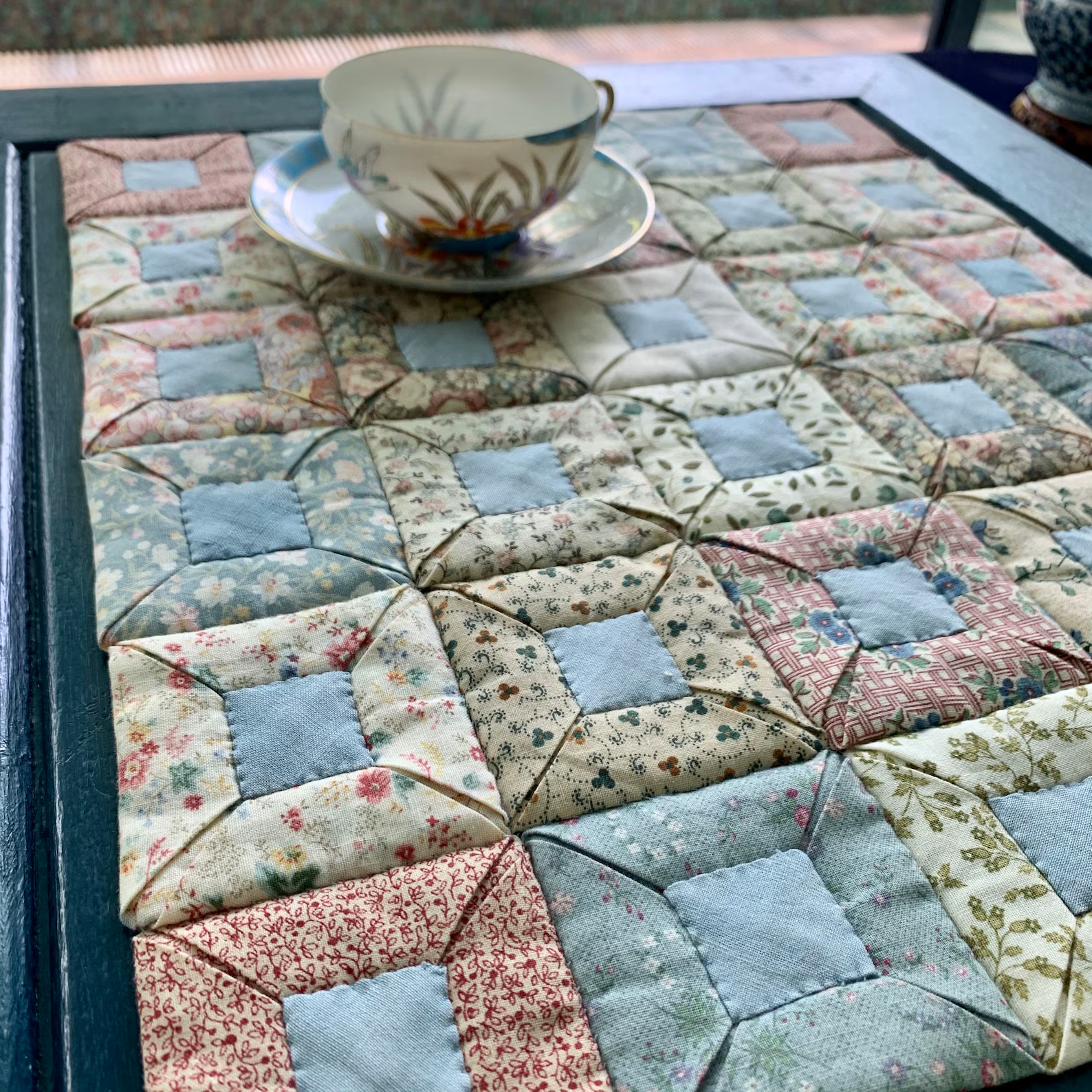
The origami with folded squares Quilt Pattern is based on the idea of folding fabric squares in specific ways to create dimensional shapes on the quilt surface. Instead of laying flat patches side by side, this technique adds depth by folding, tucking, and stitching layers of fabric into sculptural forms. The result is a quilt that looks intricate and architectural, even though it starts with simple square units.
One of the most important aspects of this pattern is repetition. Folded squares are usually made in uniform sizes, which helps maintain consistency throughout the quilt. This repetition allows the eye to move smoothly across the design, creating harmony even when bold colors or contrasting fabrics are used. The folded elements become a visual language that ties the entire quilt together.
Another defining feature of the origami with folded squares Quilt Pattern is the way light interacts with the folds. Shadows naturally form along the creases, enhancing the three-dimensional effect. This play of light and shadow adds sophistication and visual interest without the need for overly complex piecing techniques.
This pattern also encourages thoughtful planning. Because the folds are visible on the quilt’s surface, fabric selection becomes especially important. Solids, subtle prints, or low-contrast patterns often work best, as they highlight the folded structure rather than distracting from it. However, adventurous quilters can also experiment with prints for a bold, artistic effect.
Culturally, the origami influence brings a sense of calm and intentionality to the quilting process. Folding fabric carefully mirrors the meditative nature of paper origami, turning quilting into a slow, focused practice. This makes the origami with folded squares Quilt Pattern not just a design choice, but an experience in itself.
Ultimately, understanding this concept helps quilters appreciate why this pattern feels so special. It is not only about assembling pieces of fabric, but about shaping them into forms that tell a visual story through structure, repetition, and balance.
Materials and Preparation for Origami with Folded Squares Quilt Pattern
Choosing the right materials is essential for success with the origami with folded squares Quilt Pattern. Fabric quality plays a major role, as the folding process benefits from materials that hold creases well without becoming bulky. Quilting cotton is a popular choice because it is easy to press, durable, and widely available in a variety of colors.
Before beginning, fabric preparation is crucial. Washing and pressing your fabric ensures that it is clean, pre-shrunk, and smooth, which helps achieve crisp folds. Accurate cutting is equally important, as uniform squares create consistency across the quilt. Even slight size variations can affect how the folded shapes align.
Thread selection should not be overlooked. Neutral threads often work best, allowing the folded squares to remain the focal point. However, decorative stitching with contrasting thread can also be used intentionally to emphasize the folds and add another layer of design interest to the origami with folded squares Quilt Pattern.
Batting choice can influence the final look as well. A thinner batting is often preferred, as it prevents the quilt from becoming too thick where folds overlap. This ensures that the quilt remains flexible and comfortable while still showcasing its dimensional elements.
Tools such as a rotary cutter, quilting ruler, and a reliable iron are indispensable for this pattern. Precise folding relies heavily on accurate measurements and well-pressed creases. Taking the time to set up a clean, organized workspace can significantly improve both the process and the final result.
Preparation is not only technical but also creative. Planning your color palette and layout in advance allows you to visualize how the folded squares will interact. This thoughtful approach helps bring out the full potential of the origami with folded squares Quilt Pattern, resulting in a cohesive and intentional design.
Techniques and Construction of Origami with Folded Squares Quilt Pattern
The construction of the origami with folded squares Quilt Pattern begins with folding each square according to a specific method. While there are variations, most techniques involve folding corners toward the center or along diagonal lines to create layered shapes. Precision during this step ensures that all units look consistent when assembled.
Stitching plays a subtle but important role. Many folded square techniques involve securing folds with minimal stitching so that seams remain discreet. This allows the folded fabric itself to take center stage, emphasizing form rather than seam lines.
As units are completed, they are arranged into rows or blocks. This stage offers creative flexibility, as quilters can rotate folded squares to create secondary patterns across the quilt top. These emerging designs often surprise and delight, adding complexity to the origami with folded squares Quilt Pattern.
Joining the units requires care to avoid flattening the folds. Gentle handling and mindful pressing techniques help maintain the quilt’s dimensional quality. Pressing from the back or using a pressing cloth can protect the folded elements.
Quilting the finished top also requires thoughtful consideration. Simple quilting lines are often the best choice, as they support the design without competing with the folded squares. Stitching in the ditch or following the grid of the blocks helps stabilize the quilt while preserving its visual impact.
Mastering these techniques takes practice, but each quilt becomes a learning experience. Over time, quilters develop confidence and precision, allowing them to fully express their creativity through the origami with folded squares Quilt Pattern.
Creative Possibilities and Styling with Origami with Folded Squares Quilt Pattern
One of the most exciting aspects of the origami with folded squares Quilt Pattern is its versatility. By changing fabric colors, sizes, or fold directions, quilters can achieve dramatically different results from the same basic technique. This makes the pattern suitable for a wide range of styles, from minimalist to bold and expressive.
Color placement plays a powerful role in defining the quilt’s mood. Soft, neutral tones can create a calm and elegant piece, while high-contrast colors add energy and movement. Gradients and monochromatic schemes are especially effective, highlighting the sculptural nature of the folded squares.
Scale is another creative factor. Smaller folded squares create intricate, detailed quilts, while larger units result in bold, graphic designs. Both approaches work beautifully within the origami with folded squares Quilt Pattern, depending on the desired effect.
This pattern also adapts well to different quilt types. It can be used for wall hangings, bed quilts, table runners, or even quilted pillows. Each application showcases the folds in a new way, proving the pattern’s flexibility.
Seasonal and themed quilts benefit from this technique as well. Thoughtful fabric choices can transform the folded squares into visual metaphors, such as petals, stars, or abstract motifs, adding narrative depth to the quilt.
Ultimately, styling with the origami with folded squares Quilt Pattern is about exploration. Each project becomes an opportunity to experiment, learn, and express personal style through fabric and form.
FAQ About Origami with Folded Squares Quilt Pattern
What is the origami with folded squares quilt pattern best suited for
The origami with folded squares Quilt Pattern is ideal for quilters who enjoy texture, structure, and a modern aesthetic while still appreciating traditional quilting techniques.
Is this pattern suitable for beginners
Confident beginners can attempt this pattern if they are comfortable with accurate cutting and pressing, as patience and precision are key.
What fabrics work best for folded squares
Quilting cotton is most commonly used because it holds folds well and is easy to work with throughout the construction process.
Does this pattern require special tools
No special tools are required beyond standard quilting supplies such as a rotary cutter, ruler, iron, and sewing machine.
How do I maintain the folds after quilting
Careful pressing, gentle washing, and proper storage help preserve the folded shapes over time.
Can the pattern be customized
Yes, the origami with folded squares Quilt Pattern is highly customizable through color, scale, layout, and fold variations.
PATTERN HERE
Throughout this article, we explored the beauty, structure, and creative potential of the origami with folded squares Quilt Pattern. From understanding its concept and materials to mastering techniques and discovering styling possibilities, this pattern offers a rich and rewarding quilting experience. It combines thoughtful design with hands-on craftsmanship, resulting in quilts that are both visually stunning and deeply personal. If this guide helped you learn something new or inspired your creativity, please leave an honest opinion and share your suggestions. Your feedback is always welcome and helps keep the quilting community growing and connected.