
The Ribbon Dance Quilt Pattern is a captivating design that immediately draws the eye with its sense of motion, elegance, and creative harmony. From the very first stitch, the Ribbon Dance Quilt Pattern invites quilters to explore flowing lines, balanced color placement, and dynamic block construction. Whether you are an experienced quilter or just beginning your creative journey, this pattern offers a rewarding experience that blends tradition with artistic expression. Its name perfectly reflects the visual effect it creates: ribbons appearing to twist, weave, and dance across the quilt top in a graceful rhythm.
What makes the Ribbon Dance Quilt Pattern so beloved among quilting enthusiasts is its versatility. It can be bold and dramatic with high-contrast fabrics, or soft and romantic with delicate color palettes. The illusion of movement comes from clever piecing techniques and thoughtful fabric selection, which work together to produce a design that feels alive. Quilters often appreciate how the pattern transforms simple geometric shapes into a visually complex masterpiece without requiring overly complicated construction methods.
In addition to its visual appeal, the Ribbon Dance Quilt Pattern provides an excellent opportunity to practice precision piecing and color coordination. It encourages attention to detail while still leaving room for personal creativity. As you explore this pattern, you’ll discover how fabric placement, seam accuracy, and layout decisions all contribute to the final result. Throughout this article, we will explore the structure, techniques, design variations, and practical tips that make this quilt pattern a timeless favorite in the quilting community.
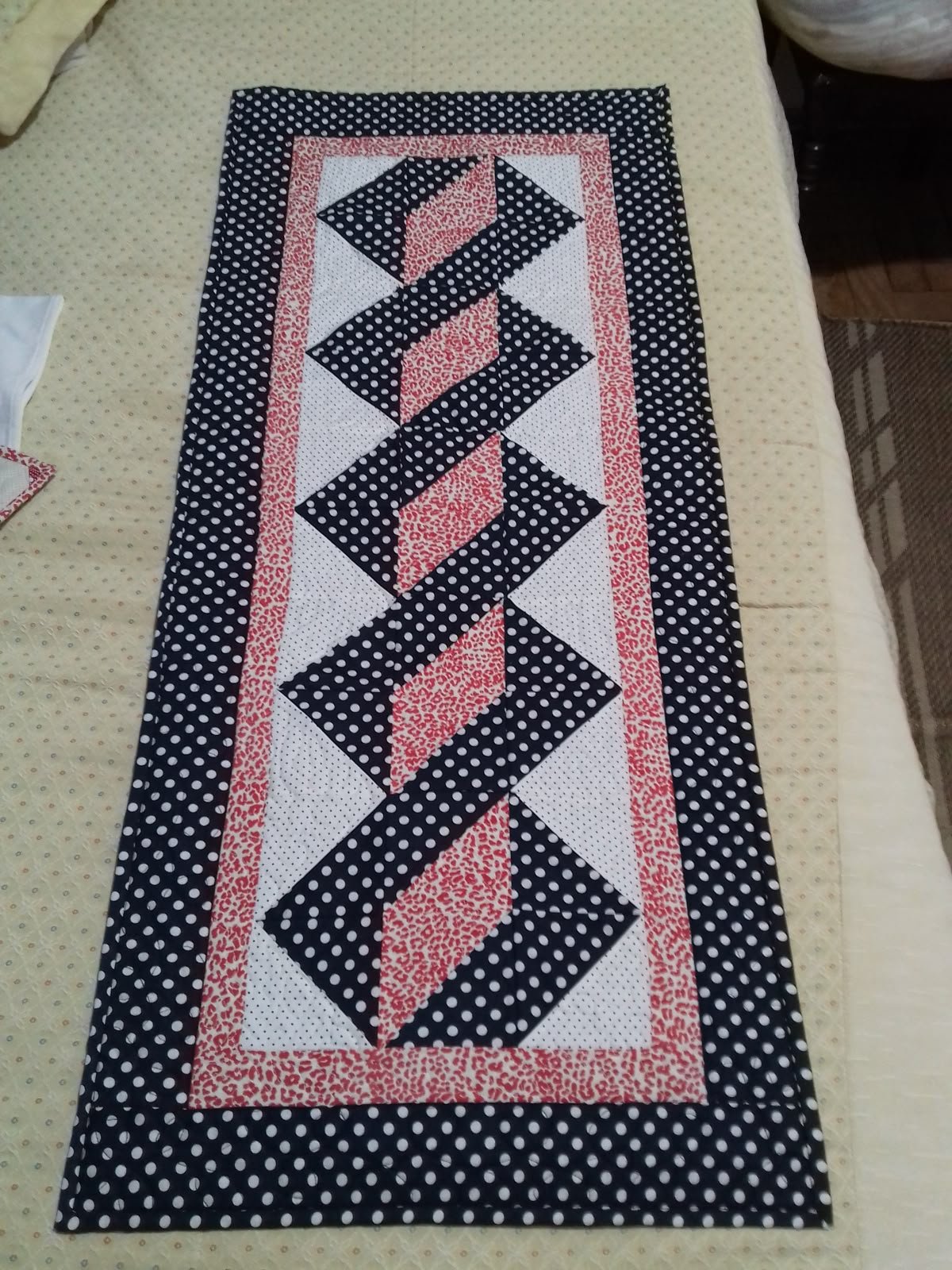
Understanding the Structure of the Ribbon Dance Quilt Pattern
At its core, the Ribbon Dance Quilt Pattern is built around carefully arranged blocks that create the illusion of interwoven ribbons. These blocks often rely on half-square triangles, flying geese units, and square patches. When placed together in a strategic layout, they form flowing diagonal lines that mimic the movement of fabric ribbons in motion.
One of the defining characteristics of the Ribbon Dance Quilt Pattern is its emphasis on contrast. The illusion works best when the “ribbon” fabric clearly stands out from the background fabric. High contrast allows the eye to follow the ribbon path effortlessly, enhancing the dynamic effect that gives this pattern its name.
Precision is especially important in this design. Because the blocks align in a way that forms continuous lines across the quilt, even small inaccuracies can disrupt the flow. Careful cutting, accurate seam allowances, and consistent pressing techniques help maintain sharp intersections and smooth transitions between blocks.
Fabric selection plays a major role in the overall success of the Ribbon Dance Quilt Pattern. Solid fabrics highlight the geometric structure, while subtle prints can add texture without overwhelming the design. Many quilters choose to use two or three dominant colors to emphasize the ribbon effect.
Block arrangement is another crucial element. Rotating blocks strategically creates the woven appearance that defines the pattern. Before sewing everything together, laying out the blocks on a design wall or flat surface allows you to preview the final composition and adjust as needed.
Finally, understanding the mathematical layout of the blocks helps ensure symmetry. The repeating structure creates a sense of rhythm across the quilt top. This repetition is what gives the Ribbon Dance Quilt Pattern its cohesive and harmonious look.
Choosing Fabrics and Colors for a Stunning Result
Selecting the right fabrics for the Ribbon Dance Quilt Pattern can transform a simple project into a breathtaking quilt. The key is to create a clear distinction between the ribbon paths and the background. This contrast ensures the design remains visible from a distance and maintains its dramatic effect.
When choosing colors, consider the emotional tone you want your quilt to convey. Bold combinations such as navy and white or red and cream create a striking, modern look. Soft pastels paired with neutral backgrounds produce a gentle, flowing aesthetic that feels calm and elegant.
Value contrast is just as important as color contrast. Even if you choose similar hues, make sure one fabric is noticeably lighter or darker than the other. The Ribbon Dance Quilt Pattern relies on this difference to define the ribbon shapes clearly.
Texture can also enhance the design. Subtle tone-on-tone prints add visual interest without distracting from the pattern. Avoid overly busy prints that may break the illusion of continuous ribbons across the quilt surface.
Consider seasonal or thematic palettes if you are making the quilt for a specific occasion. Warm earth tones can create an autumn-inspired quilt, while cool blues and silvers can evoke a winter theme. The adaptability of the Ribbon Dance Quilt Pattern allows for endless creative interpretations.
Pre-washing fabrics is a personal choice, but ensuring consistent shrinkage and colorfastness can protect your finished quilt. High-quality quilting cotton is often recommended for its durability and ease of handling.
Piecing Techniques and Construction Tips
Accurate cutting is the foundation of a successful Ribbon Dance Quilt Pattern. Using a rotary cutter, quilting ruler, and cutting mat ensures clean edges and precise measurements. Small inaccuracies can multiply across multiple blocks, so taking your time during this step is essential.
Maintaining a consistent quarter-inch seam allowance is critical. Because the pattern depends on aligning points and seams, even slight variations can disrupt the ribbon flow. Many quilters use a seam guide or marking on their sewing machine to maintain consistency.
Pressing seams carefully improves both appearance and accuracy. Pressing seams open can reduce bulk, while pressing to one side can help lock seams together during assembly. Choose the method that works best for your fabric and personal preference.
Chain piecing is an efficient technique that speeds up construction without sacrificing accuracy. By sewing multiple units in sequence, you maintain momentum and improve workflow. This method is especially helpful when creating repeated units for the Ribbon Dance Quilt Pattern.
Before final assembly, lay out all blocks to confirm placement. Because rotation affects the ribbon illusion, double-checking orientation prevents costly mistakes. A design wall can be extremely helpful at this stage.
Once the quilt top is assembled, adding borders can frame the design beautifully. A simple border often works best, allowing the intricate ribbon effect to remain the focal point of the quilt.
Quilting and Finishing Your Ribbon Dance Quilt
After completing the quilt top, quilting enhances the movement suggested by the Ribbon Dance Quilt Pattern. Straight-line quilting can emphasize the geometric structure, while free-motion quilting can add softness and texture.
Echo quilting around the ribbon shapes can amplify the sense of motion. This technique outlines the flowing paths, making them stand out even more dramatically against the background.
Thread color selection matters during this stage. A neutral thread blends seamlessly, while a contrasting thread can highlight the quilting design. Consider the overall effect you want to achieve before making your choice.
Binding is the final frame for your quilt. Choosing a binding fabric that complements the ribbon color can tie the entire design together. A carefully sewn binding adds a polished, professional finish.
Labeling your quilt is a meaningful finishing touch. Including the name Ribbon Dance Quilt Pattern, the date, and your name preserves the story behind your creation for future generations.
Finally, caring for your finished quilt ensures its longevity. Gentle washing and proper storage will keep the colors vibrant and the stitching secure for years to come.
FAQ About the Ribbon Dance Quilt Pattern
What skill level is required for the Ribbon Dance Quilt Pattern?
This pattern is generally suitable for confident beginners to intermediate quilters. Basic knowledge of half-square triangles and precise piecing is helpful, but the design becomes manageable with careful attention.
How much fabric do I need?
Fabric requirements depend on the desired quilt size. Typically, you will need contrasting fabrics for the ribbon and background, plus additional fabric for borders and binding.
Can I use scrap fabrics for this pattern?
Yes, but ensure strong value contrast between the ribbon and background pieces. Too many similar tones may weaken the illusion effect.
What size blocks are commonly used?
Block sizes vary, but many quilters prefer medium-sized blocks to balance detail and construction ease. Smaller blocks create a more intricate look, while larger blocks simplify the process.
Is this pattern suitable for modern quilt styles?
Absolutely. By choosing bold solids and minimalistic color palettes, the Ribbon Dance Quilt Pattern can achieve a distinctly modern aesthetic.
How do I prevent points from being cut off?
Accurate seam allowances and careful trimming of units help maintain sharp points throughout the quilt.
Can I resize the pattern?
Yes, adjusting block size or adding additional blocks can easily customize the final dimensions.
What quilting style works best?
Both straight-line and free-motion quilting complement this pattern. The choice depends on your personal style preference.
Does fabric quality matter?
High-quality quilting cotton ensures better durability, color retention, and easier handling during piecing.
How long does it take to complete?
Completion time varies depending on experience level and quilt size, but many quilters finish within several dedicated sewing sessions.
In conclusion, the Ribbon Dance Quilt Pattern offers a stunning blend of motion, geometry, and creative expression. Throughout this article, we explored its structural foundation, fabric selection strategies, precise piecing techniques, and finishing options. By focusing on contrast, accuracy, and thoughtful layout, you can achieve a quilt that truly appears to dance across the surface. Whether you choose bold modern colors or soft traditional tones, this pattern adapts beautifully to your artistic vision. If you found this guide helpful, please share your honest opinion and suggestions. Your feedback not only inspires future creativity but also helps build a stronger quilting community where ideas continue to flourish.