
The Rose Quilt Pattern is one of the most beloved and timeless designs in the world of quilting, combining elegance, tradition, and creative expression in a single artistic composition. From vintage-inspired bedspreads to modern wall hangings, this floral motif continues to inspire quilters of all skill levels. Whether you are a beginner discovering patchwork for the first time or an experienced artisan refining your technique, working with a Rose Quilt Pattern opens the door to endless design possibilities. The charm of roses, symbolizing beauty and grace, translates beautifully into fabric and thread.
Choosing to create a Rose Quilt Pattern project means embracing both technical precision and artistic freedom. Roses can be interpreted in countless ways, from realistic appliqué blooms to geometric pieced blocks that hint at petals through clever fabric placement. This versatility makes the pattern suitable for traditional quilts, contemporary décor pieces, baby blankets, and even heirloom gifts. The key is understanding how color, texture, and layout work together to bring the rose motif to life.
In today’s creative market, the Rose Quilt Pattern also stands out as a highly searched quilting theme, making it popular among hobbyists and handmade business owners alike. Its romantic appeal and recognizable design offer strong visual impact, which is essential when showcasing finished quilts online or at craft fairs. By learning the essential techniques and design principles behind this pattern, you can create stunning quilts that reflect both skill and personality while maintaining high-quality craftsmanship.
Understanding the Beauty of the Rose Quilt Pattern
The Rose Quilt Pattern draws inspiration from nature, particularly the layered petals and soft curves of real roses. In quilting, these natural forms are translated into fabric shapes through appliqué, foundation paper piecing, or traditional block construction. Each technique creates a different visual effect, allowing quilters to adapt the rose motif to their preferred style.
One of the most popular approaches to a Rose Quilt Pattern is appliqué. This method allows for curved petals and organic shapes, closely resembling actual flowers. Appliqué can be done by hand for a delicate finish or by machine for a faster, durable result. The flexibility of this technique makes it ideal for intricate floral designs.
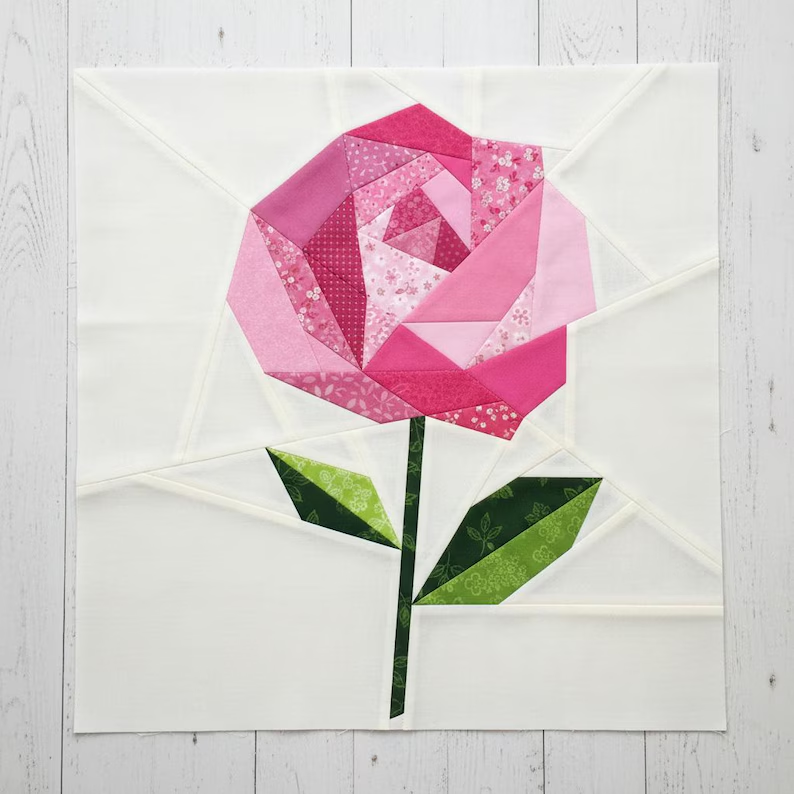
Another interpretation of the Rose Quilt Pattern uses pieced blocks to create a stylized rose. By carefully arranging squares, triangles, and half-square triangles, quilters can form geometric roses that feel modern and structured. This approach is especially appealing for those who enjoy precision piecing and bold color contrasts.
Color selection plays a crucial role in enhancing the beauty of a Rose Quilt Pattern. Traditional red or pink roses against soft green backgrounds evoke a classic look, while unexpected palettes such as coral and navy or blush and gray can give the quilt a contemporary twist. Thoughtful color coordination adds depth and dimension.
Fabric texture also contributes to the final appearance. Cotton remains the most popular quilting fabric due to its durability and ease of use. However, blending subtle prints with solids can add movement to the petals and create a more dynamic design within the Rose Quilt Pattern.
Ultimately, the beauty of the Rose Quilt Pattern lies in its adaptability. Whether soft and romantic or bold and modern, this floral design allows quilters to express personal creativity while honoring a long-standing quilting tradition.
Materials and Tools Needed for a Rose Quilt Pattern
Creating a high-quality Rose Quilt Pattern quilt starts with selecting the right materials. Quilting cotton is the standard choice because it is easy to cut, sew, and press. Choosing high-quality fabric ensures longevity and helps maintain the quilt’s shape after washing.
In addition to fabric, precise cutting tools are essential. A rotary cutter, self-healing cutting mat, and clear acrylic ruler help achieve accurate measurements. Precision is particularly important when assembling detailed rose petals in a Rose Quilt Pattern, as small inaccuracies can affect the final design.
Threads should complement the fabric colors while providing strength. Cotton thread is widely used in quilting due to its durability and compatibility with cotton fabric. Selecting the right thread tension and stitch length ensures smooth seams and prevents puckering.
Batting forms the inner layer of the quilt and influences warmth and drape. Cotton batting offers a traditional feel, while polyester blends provide extra loft. Choosing the right batting enhances the texture and comfort of your finished Rose Quilt Pattern quilt.
Marking tools are also helpful, especially when working with appliqué roses. Fabric-safe pencils or removable markers allow you to trace petal shapes accurately. Proper marking ensures symmetry and alignment within the overall pattern.
Finally, a reliable sewing machine with adjustable stitch settings simplifies the construction process. While hand quilting is always an option, machine quilting can save time and provide consistent stitching lines throughout the Rose Quilt Pattern project.
Step-by-Step Process to Create a Rose Quilt Pattern
The first step in making a Rose Quilt Pattern quilt is planning your layout. Decide whether you want a single large rose block as a focal point or multiple smaller rose blocks repeated across the quilt top. Sketching your design can help visualize placement and balance.
Once the design is finalized, carefully cut your fabric pieces according to your chosen template. Accurate cutting is essential for both appliqué and piecing techniques. Take your time during this stage to ensure clean edges and precise shapes for your Rose Quilt Pattern.
Next, assemble the rose block. For pieced designs, sew smaller units together before combining them into a complete block. Press seams carefully to reduce bulk and maintain flatness. For appliqué roses, position petals on the background fabric and secure them using your preferred stitching method.
After completing all rose blocks, arrange them into rows. Pay attention to color distribution to create visual harmony. The layout stage allows you to adjust placement before final stitching, ensuring your Rose Quilt Pattern quilt looks balanced and cohesive.
Sew the rows together and attach borders if desired. Borders can frame the roses beautifully and provide contrast. A well-chosen border enhances the overall aesthetic while reinforcing the floral theme of the quilt.
Finally, layer the quilt top with batting and backing fabric, then quilt the layers together. You can choose simple straight-line quilting or free-motion stitching that echoes petal shapes. Binding the edges completes your Rose Quilt Pattern quilt, giving it a polished and professional finish.
Creative Variations and Styling Ideas for a Rose Quilt Pattern
One creative variation of the Rose Quilt Pattern involves using oversized rose blocks as statement pieces. A single dramatic rose in the center of a quilt can create a striking focal point, especially when paired with minimal background elements.
Another idea is to experiment with vintage-inspired fabrics. Floral prints, muted tones, and soft pastels can evoke a nostalgic atmosphere. This approach works beautifully for heirloom-style Rose Quilt Pattern quilts intended as keepsakes or gifts.
Modern quilters may prefer bold contrasts and negative space. Placing vibrant rose blocks against solid white or dark backgrounds can make the floral design pop. This contemporary twist transforms the traditional Rose Quilt Pattern into a trendy décor element.
Seasonal adaptations are also popular. For example, soft pink roses for spring, warm golden tones for autumn, or icy blues for winter-themed quilts. Adjusting colors allows the Rose Quilt Pattern to remain versatile throughout the year.
Adding embroidery details to the petals or leaves can enhance dimension and texture. Subtle stitched outlines emphasize petal shapes and create a handcrafted look. These details add personality without overwhelming the overall design.
Lastly, consider incorporating the Rose Quilt Pattern into smaller projects such as pillow covers, table runners, or wall art. These compact creations allow you to experiment with the rose motif while using leftover fabric scraps creatively.
THE BEST QUILT PATTERN
What is a Rose Quilt Pattern?
A Rose Quilt Pattern is a quilting design that features rose motifs created through piecing, appliqué, or other quilting techniques. It can range from realistic floral designs to geometric interpretations of roses.
Is the Rose Quilt Pattern suitable for beginners?
Yes, beginners can start with simple block-based versions of the Rose Quilt Pattern. More detailed appliqué versions may require additional practice, but they are achievable with patience.
What fabrics work best for a Rose Quilt Pattern?
High-quality quilting cotton is the most recommended fabric due to its durability and ease of sewing. Mixing solids and subtle prints can add depth to the rose design.
How long does it take to complete a Rose Quilt Pattern quilt?
The time varies depending on size and complexity. A small lap quilt may take a few days to complete, while a larger, more intricate quilt could take several weeks.
Can I customize my Rose Quilt Pattern?
Absolutely. You can experiment with different colors, block sizes, layouts, and quilting styles to create a personalized design that reflects your taste.
Do I need special tools for a Rose Quilt Pattern?
Basic quilting tools such as a rotary cutter, ruler, sewing machine, and quality thread are sufficient. Specialized tools may be helpful for intricate appliqué details but are not mandatory.
PATTERN HERE
The Rose Quilt Pattern offers a perfect blend of tradition, elegance, and creative freedom. Throughout this article, we explored the beauty behind the design, essential materials and tools, step-by-step construction methods, and inspiring variations to personalize your quilt. By understanding the fundamentals and applying thoughtful color and fabric choices, you can transform simple materials into a stunning floral masterpiece.
Whether you are crafting a heartfelt gift, decorating your home, or expanding your quilting skills, the Rose Quilt Pattern provides endless possibilities for artistic expression. Now it’s your turn to bring your vision to life. If you found this guide helpful, please leave your honest opinion and share your suggestions. Your feedback helps inspire more creative quilting ideas and valuable content for fellow enthusiasts.