
The Block Heads Quilt Pattern has become one of the most loved quilting projects among beginners and experienced quilters alike. Known for its creative variety, detailed block designs, and endless color possibilities, this quilt pattern offers a wonderful opportunity to improve quilting skills while creating something truly beautiful.
Whether you enjoy traditional quilting or modern patchwork, the Block Heads Quilt Pattern provides a flexible and inspiring experience that can easily fit your personal style and creativity.
Quilting has always been more than simply sewing pieces of fabric together. It represents comfort, storytelling, patience, and artistic expression. The beauty of the Block Heads Quilt Pattern lies in its ability to combine all these elements into one engaging project. Each block introduces unique techniques, shapes, and layouts that encourage quilters to explore new ideas without feeling overwhelmed. Because of this, the pattern has gained attention from quilting communities around the world.
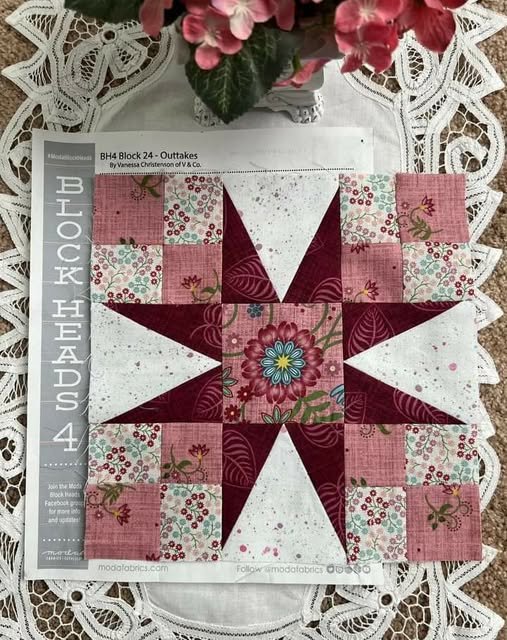
Another reason why the Block Heads Quilt Pattern remains so popular is its versatility. You can create bold modern quilts using vibrant fabrics, or choose soft vintage tones for a classic farmhouse appearance. Some quilters even use fabric scraps from previous projects to make their quilt more meaningful and sustainable. No matter the approach, this pattern allows every quilter to create a one-of-a-kind masterpiece while practicing valuable sewing and piecing techniques.
Understanding the Basics of the Block Heads Quilt Pattern
The Block Heads Quilt Pattern is built around individual quilt blocks that come together to form a cohesive and visually balanced quilt. Each block may feature different geometric shapes, layouts, and sewing methods, making the overall project exciting and educational. This variety keeps quilters motivated throughout the process because every section introduces something slightly new.
One of the most attractive features of the pattern is how adaptable it can be for different skill levels. Beginners can start with simple fabric combinations and basic piecing, while advanced quilters may experiment with intricate layouts, custom borders, or detailed quilting stitches. This flexibility makes the pattern enjoyable for a wide audience.
Fabric selection plays an important role in the success of the Block Heads Quilt Pattern. Choosing colors that complement each other can dramatically improve the final appearance of the quilt. Some quilters prefer soft neutral palettes for a calm and elegant result, while others use bright colors to create bold contrast and energy.
Precision is another key aspect when working on quilt blocks. Accurate cutting and consistent seam allowances help ensure that all blocks fit together correctly. Taking extra time during preparation can prevent frustration later in the quilting process and lead to a more polished finished quilt.
Many quilters enjoy using rotary cutters, quilting rulers, and self-healing mats when preparing pieces for the Block Heads Quilt Pattern. These tools improve accuracy and speed while making the entire sewing experience more enjoyable. Investing in quality quilting tools can significantly enhance the final results.
Patience is essential throughout the quilting process. Since the pattern often includes multiple blocks with different designs, it is important to work carefully and enjoy the journey instead of rushing toward completion. Quilting is both a craft and a relaxing creative activity that rewards attention to detail.
Choosing Fabrics and Colors for a Stunning Quilt
Fabric choice can completely transform the appearance of the Block Heads Quilt Pattern. Some quilters love using floral fabrics for a cozy traditional feel, while others choose modern prints and bold solids to create a contemporary design. The pattern works beautifully with many different fabric styles, making it highly customizable.
Color balance is one of the most important design considerations. Combining light, medium, and dark fabrics creates depth and visual interest throughout the quilt. Without contrast, individual blocks may blend together too much and lose their unique character. A thoughtful color plan helps each section stand out beautifully.
Many quilters prefer cotton fabric because it is durable, easy to sew, and available in countless prints and textures. High-quality quilting cotton also maintains its shape well during sewing and washing, making it ideal for long-lasting quilts. Prewashing fabric is often recommended to minimize shrinking and color bleeding later.
Scrap quilting is another popular approach for the Block Heads Quilt Pattern. Using leftover fabric pieces from older projects adds personality and sentimental value to the quilt. Scrap quilts often tell a story through colors and prints collected over time, making each project deeply personal and unique.
Seasonal color themes can also inspire quilt designs. Soft pastels create a beautiful spring-inspired quilt, while warm reds, oranges, and golds work perfectly for autumn-themed projects. Winter quilts often feature cool blues and whites, while summer quilts may include bright tropical tones.
Texture can also enhance the visual appeal of the quilt. Mixing subtle prints, florals, stripes, and solids adds dimension without overwhelming the design. Many quilters enjoy experimenting with fabric combinations before deciding on the final arrangement for their Block Heads Quilt Pattern.
Essential Quilting Techniques for Better Results
Mastering a few basic quilting techniques can greatly improve the outcome of your Block Heads Quilt Pattern project. Accurate cutting is one of the most important skills because uneven pieces can affect block alignment and quilt assembly. Careful measuring and trimming help maintain consistency throughout the project.
Chain piecing is a popular method that saves time and thread while sewing multiple quilt pieces together. Instead of cutting threads after every seam, quilters sew pieces continuously in sequence. This technique increases efficiency and helps maintain organization during larger quilting projects.
Pressing seams correctly also makes a noticeable difference in quilt quality. Many experienced quilters recommend pressing seams instead of ironing them back and forth, as excessive movement may distort the fabric. Proper pressing creates flatter blocks and improves alignment when joining sections together.
Another helpful technique is nesting seams. When seam allowances face opposite directions, the seams lock together more accurately, reducing bulk and improving precision. This small adjustment can create cleaner intersections and a more professional-looking quilt.
Quilting stitches add texture and durability to the finished project. Some quilters choose simple straight-line quilting, while others experiment with free-motion quilting designs. The quilting style can dramatically influence the final appearance and personality of the Block Heads Quilt Pattern.
Binding is the final step that completes the quilt edges and gives the project a polished finish. A carefully attached binding protects the edges from wear while framing the quilt beautifully. Many quilters enjoy choosing binding fabrics that complement or contrast with the quilt top for extra visual interest.
Why the Block Heads Quilt Pattern Continues to Inspire Quilters
The enduring popularity of the Block Heads Quilt Pattern comes from its ability to bring creativity, learning, and relaxation together in one rewarding project. Quilters often describe the experience as both calming and fulfilling because each completed block feels like a meaningful accomplishment.
Community involvement is another reason why this pattern remains widely loved. Many quilting groups and online communities enjoy sharing fabric ideas, layout inspiration, and progress photos related to the Block Heads Quilt Pattern. This sense of connection motivates quilters and creates opportunities for learning and encouragement.
The pattern also encourages skill development over time. As quilters complete different blocks, they naturally improve their cutting, piecing, pressing, and quilting abilities. Even experienced quilters often discover new techniques and creative possibilities while working on these projects.
Handmade quilts carry emotional value that machine-made blankets simply cannot replicate. A quilt made using the Block Heads Quilt Pattern can become a treasured family heirloom, a heartfelt gift, or a comforting piece of home décor. Every stitch reflects time, effort, and creativity.
Another advantage of this pattern is its flexibility in size and layout. Quilters can create small wall hangings, lap quilts, bed quilts, or even oversized statement pieces depending on their goals. This adaptability makes the pattern suitable for many different projects and occasions.
Most importantly, quilting offers a creative escape from busy daily life. Sitting down with fabric, thread, and a sewing machine can provide a peaceful and rewarding experience. The Block Heads Quilt Pattern allows quilters to slow down, focus on creativity, and enjoy the satisfaction of making something beautiful with their own hands.
FAQ About the Block Heads Quilt Pattern
What is the Block Heads Quilt Pattern?
The Block Heads Quilt Pattern is a quilting project made from multiple quilt blocks featuring different designs and techniques. It is popular because it allows creativity and skill development in one project.
Is the Block Heads Quilt Pattern suitable for beginners?
Yes, beginners can absolutely enjoy this pattern. Many blocks use basic quilting techniques, and quilters can progress at their own pace while improving their sewing skills.
What type of fabric works best for this quilt pattern?
High-quality quilting cotton is usually the best choice because it is durable, easy to sew, and available in many colors and prints.
How long does it take to complete a Block Heads Quilt Pattern?
The time required depends on the quilt size, complexity, and sewing experience. Some quilters finish smaller projects in a few weeks, while larger quilts may take several months.
Can I use scrap fabric for the Block Heads Quilt Pattern?
Yes, scrap fabric works beautifully for this project. Many quilters enjoy creating colorful and meaningful scrap quilts using leftover materials from previous projects.
What tools are helpful for quilting projects?
Useful quilting tools include rotary cutters, quilting rulers, self-healing cutting mats, sewing machines, pins, fabric clips, and quilting irons.
How do I keep quilt blocks aligned properly?
Accurate cutting, consistent seam allowances, and careful pressing are the best ways to ensure quilt blocks align correctly during assembly.
Can the Block Heads Quilt Pattern be customized?
Absolutely. Quilters often personalize the pattern with unique fabrics, borders, quilting stitches, and color palettes to match their own style.
The Block Heads Quilt Pattern is much more than a simple quilting project. It is an opportunity to explore creativity, improve sewing skills, and create something meaningful that can be cherished for years. From choosing fabrics and colors to mastering quilting techniques, every step of the process offers valuable learning experiences and artistic satisfaction.
Throughout this article, we explored the basics of the pattern, fabric selection tips, essential quilting techniques, and the reasons why so many quilters continue to love this timeless project. Whether you are a beginner starting your first quilt or an experienced quilter searching for inspiration, the Block Heads Quilt Pattern offers endless creative possibilities.
Have you ever tried making a quilt using the Block Heads Quilt Pattern? Share your honest opinion, experiences, and suggestions. Your ideas and creativity may inspire other quilting enthusiasts to begin their own quilting journey.