
The Interlaced Square Quilt Pattern is one of the most elegant and visually striking quilt designs for beginners and experienced quilters alike. Known for its woven appearance and geometric harmony, this quilt style creates a beautiful illusion of interconnected blocks that instantly adds charm to any quilting project. Whether you are making a cozy blanket, a decorative wall hanging, or a meaningful handmade gift, the Interlaced Square Quilt Pattern offers endless possibilities for creativity and personalization.
Quilting has remained a beloved craft for generations because it combines artistic expression with practical functionality. The beauty of the Interlaced Square Quilt Pattern lies in its balance between traditional quilting techniques and modern aesthetics. By carefully arranging colors, fabrics, and stitching methods, quilters can produce unique designs that feel both classic and contemporary. This versatility makes the pattern incredibly popular among quilting communities worldwide.
Another reason why the Interlaced Square Quilt Pattern continues to attract attention is its adaptability to different skill levels. Beginners appreciate the structured layout and repetitive shapes, while advanced quilters enjoy experimenting with intricate color placement and detailed quilting textures. With the right fabric selection and a thoughtful layout, even a simple version of this pattern can become a breathtaking masterpiece that reflects personality and craftsmanship.
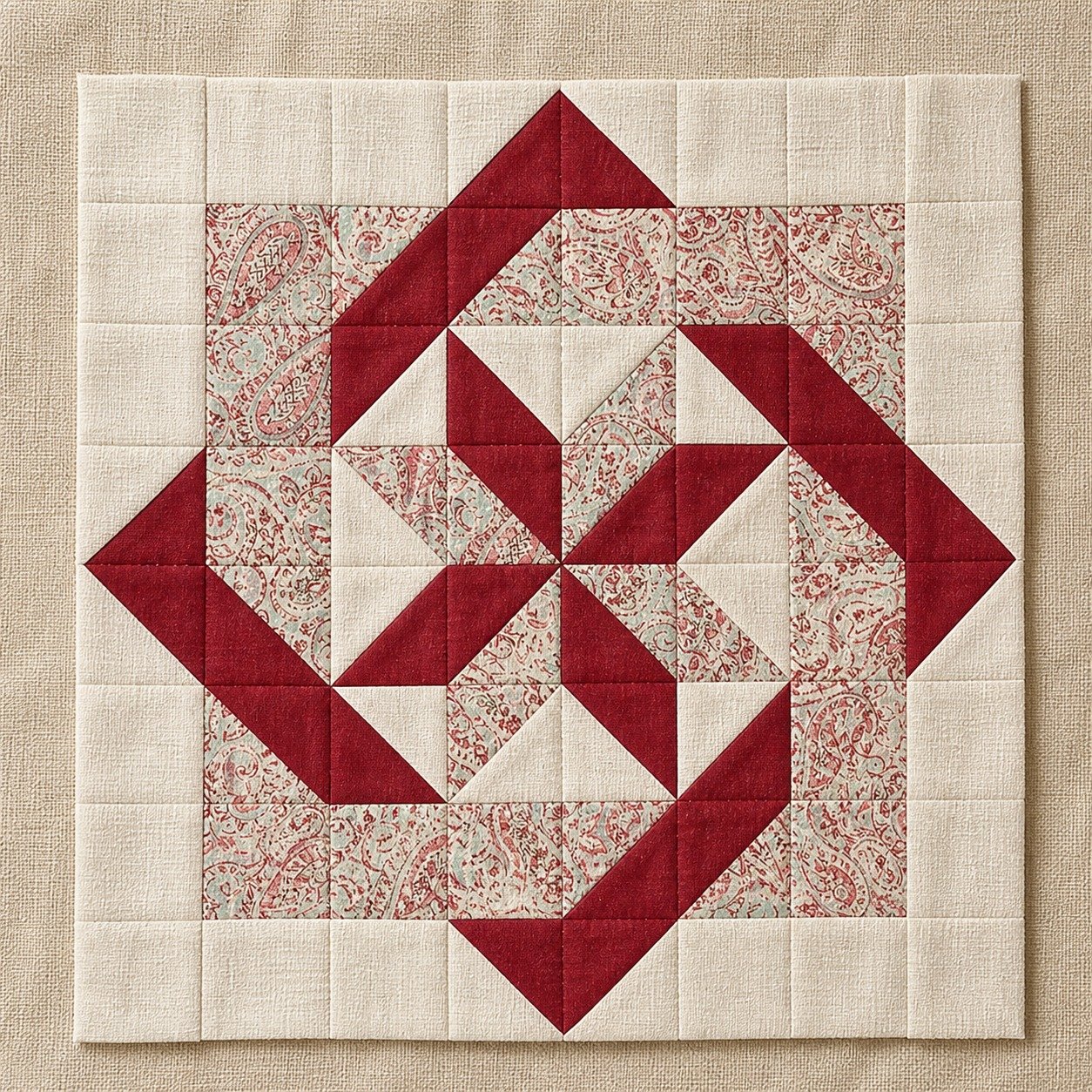
Understanding the Beauty of the Interlaced Square Quilt Pattern
The Interlaced Square Quilt Pattern is admired for its woven visual effect that creates depth and movement across the quilt surface. The arrangement of squares and intersecting shapes gives the illusion that fabric strips are weaving over and under one another. This optical effect makes the quilt visually dynamic without requiring overly complicated sewing techniques.
One of the key elements of this pattern is symmetry. Quilters often use carefully measured blocks to maintain balance throughout the design. Precision cutting and consistent seam allowances are essential to achieving a polished and professional look. Even small adjustments in alignment can significantly impact the final appearance of the quilt.
Fabric selection also plays an important role in enhancing the beauty of the Interlaced Square Quilt Pattern. Contrasting colors help emphasize the woven effect, while softer color palettes create a more subtle and elegant appearance. Many quilters enjoy combining floral prints, solid fabrics, and textured materials to add depth and personality to their creations.
This pattern works beautifully in many home décor settings. From farmhouse interiors to modern minimalist spaces, the geometric style blends naturally with various decorative themes. Quilters often use these quilts as bed coverings, couch throws, table toppers, or wall art because of their timeless appeal.
Another advantage of this quilt pattern is its scalability. Quilters can create small baby quilts or large king-size quilts using the same basic design principles. This flexibility makes the pattern practical for multiple projects throughout the year, including seasonal decorations and holiday gifts.
The enduring popularity of the Interlaced Square Quilt Pattern demonstrates how traditional quilting can evolve while preserving its artistic heritage. Each quilt tells a story through fabric choices, stitching details, and creative expression, making every project truly one of a kind.
Essential Materials and Techniques for Quilting Success
Creating a successful Interlaced Square Quilt Pattern starts with gathering the right materials. High-quality cotton fabric remains one of the most popular choices because it is durable, easy to sew, and available in countless colors and prints. Choosing fabrics that coordinate well together helps create a harmonious final design.
Rotary cutters, quilting rulers, and cutting mats are essential tools for achieving precise measurements. Accurate cutting is especially important in geometric quilt patterns because uneven pieces can distort the entire layout. Many quilters recommend double-checking measurements before sewing blocks together.
Thread selection also matters when working on an Interlaced Square Quilt Pattern. Neutral thread colors often blend seamlessly into the design, while decorative threads can add texture and visual interest. Strong quilting thread helps maintain durability, especially for quilts intended for daily use.
Pressing seams correctly is another important technique. Pressing rather than ironing helps prevent fabric distortion and keeps quilt blocks flat and accurate. Many quilters prefer pressing seams to one side, while others choose open seams depending on the complexity of the design.
Chain piecing is a helpful method that saves time and improves efficiency. By sewing multiple pieces continuously without cutting the thread between sections, quilters can complete repetitive blocks more quickly. This technique is especially useful when creating large quilts with repeating square patterns.
Finally, patience and organization contribute greatly to quilting success. Keeping fabric pieces sorted and following a step-by-step assembly process reduces mistakes and improves consistency. The Interlaced Square Quilt Pattern rewards careful craftsmanship with a stunning finished product that showcases dedication and creativity.
Creative Color Combinations and Fabric Ideas
Color placement can dramatically transform the appearance of an Interlaced Square Quilt Pattern. Bold contrasting colors create a striking woven illusion, while monochromatic palettes offer a softer and more sophisticated style. Quilters often experiment with different combinations to match their personal aesthetic or home décor.
Traditional quilt designs frequently feature earthy tones, warm reds, deep blues, and cream fabrics. These classic combinations give the quilt a cozy and timeless appearance. On the other hand, modern quilters may prefer vibrant colors such as teal, mustard yellow, coral, or gray for a contemporary feel.
Using scraps is another creative approach to making an Interlaced Square Quilt Pattern. Scrap quilting allows quilters to reuse leftover fabrics from previous projects while creating colorful and unexpected visual effects. This method not only reduces waste but also adds character and uniqueness to the quilt.
Seasonal themes are also popular among quilting enthusiasts. Soft pastels work beautifully for spring-inspired quilts, while rich autumn tones create warmth during colder months. Holiday-themed quilts featuring festive colors can become cherished family decorations for years to come.
Texture can further enhance the overall design. Combining solid cottons with subtle prints, linen blends, or batik fabrics creates additional visual interest. Textured fabrics add dimension and richness without overwhelming the geometric structure of the pattern.
Ultimately, fabric and color choices allow every Interlaced Square Quilt Pattern to become a personal work of art. There are no strict rules in quilting creativity, and experimenting with different styles often leads to the most memorable and beautiful results.
Tips for Finishing and Caring for Your Quilt
Completing an Interlaced Square Quilt Pattern involves more than simply sewing blocks together. The finishing process includes quilting, binding, and proper fabric care to ensure the quilt remains beautiful for years. Attention to these final steps helps preserve both appearance and durability.
Quilting stitches hold the quilt layers together while adding decorative texture. Straight-line quilting emphasizes the geometric structure of the pattern, while free-motion quilting introduces softness and artistic detail. The quilting design can subtly enhance the woven effect created by the interlaced squares.
Batting selection influences the quilt’s warmth, weight, and texture. Cotton batting provides a traditional flat appearance, while polyester batting creates extra loft and softness. Some quilters choose bamboo or wool batting for added comfort and sustainability.
Binding is the finishing edge that frames the quilt. Carefully attached binding gives the project a clean and professional appearance. Many quilters use matching fabric for a subtle finish, while others choose contrasting binding to add an extra decorative touch.
Proper washing and storage help maintain the quilt’s beauty over time. Gentle washing with mild detergent preserves fabric color and stitching quality. Air drying or low-heat drying minimizes shrinkage and prevents unnecessary wear on delicate quilt seams.
Displaying and using handmade quilts also adds emotional value to the finished project. A carefully crafted Interlaced Square Quilt Pattern can become a treasured family heirloom passed down through generations. The time, care, and creativity invested in quilting transform simple fabric into meaningful works of art.
FAQ About Interlaced Square Quilt Pattern
What is an Interlaced Square Quilt Pattern?
The Interlaced Square Quilt Pattern is a geometric quilt design that creates the illusion of woven or interlocking fabric strips using carefully arranged square blocks and contrasting fabrics.
Is the Interlaced Square Quilt Pattern beginner-friendly?
Yes, many versions of the pattern are suitable for beginners. Basic cutting, sewing, and accurate measuring skills are usually enough to complete a simple design successfully.
What fabrics work best for this quilt pattern?
Cotton quilting fabric is the most recommended option because it is durable, easy to handle, and widely available in many colors and prints.
How do I make the woven effect stand out?
Using strong color contrast between light and dark fabrics helps emphasize the interlaced appearance and creates more visual depth.
Can I use scrap fabrics for this quilt?
Absolutely. Scrap fabrics can create a colorful and unique version of the Interlaced Square Quilt Pattern, making the quilt even more personalized.
What size can this quilt pattern be made in?
The pattern is highly versatile and can be adapted for baby quilts, lap quilts, full bed quilts, or even decorative wall hangings.
How long does it take to complete a quilt?
The completion time depends on quilt size, skill level, and complexity. Smaller projects may take a few days, while larger quilts can require several weeks.
What quilting style works best with this pattern?
Straight-line quilting is commonly used because it complements the geometric design, but free-motion quilting can also add artistic texture and personality.
The Interlaced Square Quilt Pattern remains one of the most beautiful and versatile quilt designs for quilters of all experience levels. Throughout this article, we explored the visual appeal of the pattern, essential quilting materials, creative fabric combinations, and practical finishing techniques that help transform simple fabric into extraordinary handmade art. This timeless pattern allows endless customization while preserving the comforting tradition of quilting.
Whether you are just beginning your quilting journey or searching for your next creative project, the Interlaced Square Quilt Pattern offers a rewarding experience filled with artistic possibilities. With patience, creativity, and attention to detail, you can create a quilt that is both functional and visually stunning.
Have you ever created an Interlaced Square Quilt Pattern before? Share your honest opinion, favorite fabric combinations, and quilting suggestions. Your ideas and experiences can inspire other quilting enthusiasts to start their own beautiful projects.