
Quilt 16 Cat Free Pattern is a wonderful project for quilting enthusiasts who love combining creativity, charm, and practical sewing skills. Whether you are a beginner exploring your first quilt block or an experienced quilter searching for a fun feline-inspired design, this pattern offers endless opportunities to create something unique.
Throughout this guide, you will learn how to understand the design, prepare your materials, assemble each section carefully, and finish your quilt with confidence while improving your quilting techniques. Using the Quilt 16 Cat Free Pattern as your inspiration can also help you personalize gifts, decorate your home, or simply enjoy a relaxing quilting experience.
Quilting has always been more than simply sewing pieces of fabric together. It is a creative tradition passed from one generation to another, allowing makers to express their personality through colors, textures, and patterns. The Quilt 16 Cat Free Pattern celebrates that tradition by combining adorable cat-inspired elements with classic patchwork techniques that are both accessible and enjoyable.
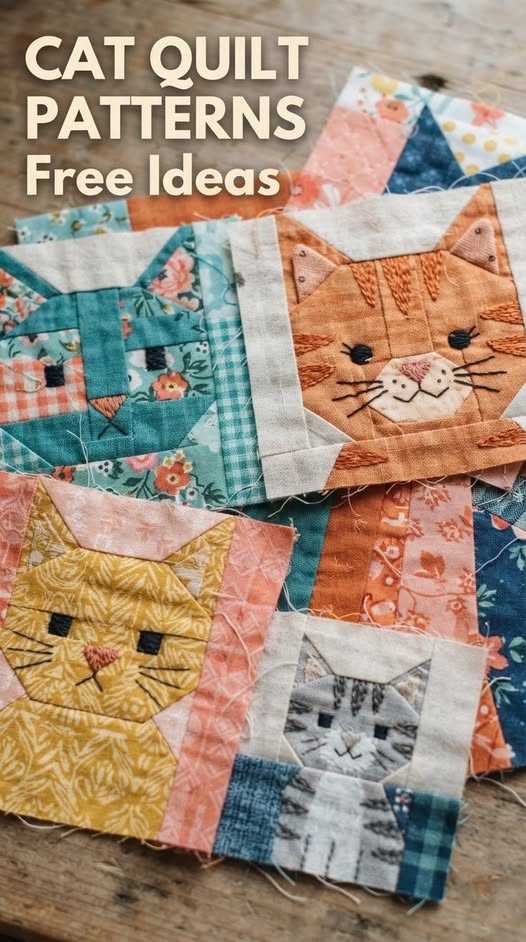
Every stitch contributes to a finished quilt that reflects patience, craftsmanship, and imagination, making the entire process just as rewarding as the final result.One of the greatest advantages of choosing the Quilt 16 Cat Free Pattern is its flexibility. You can experiment with different color palettes, fabric collections, quilting styles, and finishing techniques while keeping the basic design recognizable. This makes the project suitable for seasonal decorations, children’s rooms, pet lovers, wall hangings, table runners, or even larger bed quilts. By understanding the fundamental construction methods explained throughout this article, you’ll gain valuable quilting skills that can be applied to many future projects as well.
1. Understanding the Quilt 16 Cat Free Pattern
The Quilt 16 Cat Free Pattern is designed around the idea of creating charming cat-themed quilt blocks that come together into a cohesive and visually balanced quilt. The playful appearance of the cats makes the pattern appealing to quilters of all ages while still providing enough detail to keep the project interesting.
Before cutting any fabric, spend time studying the overall layout of the pattern. Understanding how the individual pieces fit together helps reduce mistakes and improves sewing accuracy throughout the project. Careful preparation is one of the secrets to successful quilting.
Fabric selection also plays an important role in achieving a beautiful result. Many quilters choose cotton fabrics because they are easy to cut, sew, and press. Mixing solid fabrics with subtle prints can add personality without overwhelming the cat shapes featured in the design.
Color placement is another essential consideration. Light and dark fabrics create contrast that allows the cat silhouettes to stand out clearly. Neutral background fabrics often help emphasize the decorative elements while maintaining a clean appearance.
Accurate cutting is the foundation of every successful quilt. Using a rotary cutter, quilting ruler, and self-healing cutting mat ensures consistent measurements, making assembly easier from beginning to end. Precision at this stage saves time later.
Finally, organizing all fabric pieces before sewing helps streamline the entire process. Labeling sections, grouping matching pieces, and arranging blocks according to the pattern allows you to focus on stitching rather than searching for materials.
2. Step-by-Step Construction of the Quilt
Once your fabrics have been prepared, begin assembling the smallest units of the Quilt 16 Cat Free Pattern. Sewing smaller sections first allows you to build each cat block gradually while maintaining accurate seam allowances.
Most quilters prefer using a consistent quarter-inch seam allowance. This standard measurement ensures that every piece fits together properly and helps the finished blocks remain square. Consistency is more important than sewing speed.
Pressing each seam after sewing significantly improves the appearance of the finished quilt. Well-pressed seams reduce bulk, help pieces align correctly, and create crisp block shapes that are easier to join together.
As each cat block is completed, compare its measurements with the intended size before moving on. Small adjustments made early are much easier than correcting alignment issues after the quilt top has already been assembled.
Continue joining individual blocks row by row, checking alignment frequently. Matching corners and intersections carefully gives the finished quilt a polished and professional appearance that reflects careful craftsmanship.
After completing the quilt top, step back and examine the overall layout. This final review allows you to identify any areas where color balance or block orientation could be improved before adding batting and backing fabric.
3. Personalizing Your Quilt Design
One of the most enjoyable aspects of the Quilt 16 Cat Free Pattern is the opportunity to personalize every detail. No two quilts need to look exactly alike, even when following the same basic pattern.
Consider using fabrics inspired by real cats, such as black, gray, orange, cream, or calico color combinations. These choices create recognizable feline personalities while keeping the design playful and inviting.
Decorative quilting stitches can further enhance the project. Simple straight-line quilting offers a modern appearance, while free-motion quilting allows you to create swirling textures, paw prints, or gentle curves around each cat block.
Borders also provide an opportunity for creativity. A narrow border keeps attention focused on the central design, while wider borders allow additional patchwork, appliqué, or decorative quilting to become part of the overall composition.
Binding is often considered the finishing frame of a quilt. Choosing a coordinating or contrasting binding fabric helps complete the design while protecting the quilt edges for years of use and enjoyment.
Adding a personalized label to the back transforms the quilt into a meaningful keepsake. Recording your name, the completion date, and a short message makes the project even more special for future generations.
4. Tips for Long-Lasting Quilting Success
The Quilt 16 Cat Free Pattern becomes even more enjoyable when combined with good quilting habits that improve both efficiency and quality. Developing these habits benefits every quilting project you create in the future.
Always use sharp rotary blades and quality sewing machine needles. Fresh cutting and sewing tools produce cleaner results while reducing fabric distortion and skipped stitches during construction.
Taking regular breaks during long quilting sessions helps maintain concentration and accuracy. Fatigue often leads to measuring mistakes, uneven seams, or unnecessary fabric waste that can easily be avoided.
Practice sewing on scrap fabric before working with your final quilt pieces. Testing thread tension, stitch length, and seam accuracy ensures your sewing machine is properly adjusted for the project.
Store your finished quilt in a cool, dry location away from prolonged direct sunlight. Proper storage helps preserve fabric colors and prevents unnecessary wear over time, allowing your quilt to remain beautiful for many years.
Gentle washing methods are recommended for handmade quilts. Mild detergents, cool water, and careful drying help maintain the integrity of both the fabrics and the quilting stitches without excessive shrinkage.
Most importantly, enjoy the creative process rather than focusing only on perfection. Every quilt reflects the maker’s individual style, and small variations often become the charming characteristics that make handmade quilts truly unique.
Frequently Asked Questions
What is the Quilt 16 Cat Free Pattern?
The Quilt 16 Cat Free Pattern is a cat-themed quilting design that combines traditional patchwork techniques with playful feline-inspired blocks, making it suitable for quilters of many experience levels.
Is this pattern beginner-friendly?
Yes. Beginners who understand basic cutting, sewing, and pressing techniques can successfully complete the project by working carefully through each block step by step.
What fabric works best for this quilt?
High-quality quilting cotton is generally the preferred choice because it is stable, easy to sew, presses well, and offers a wide variety of coordinating prints and colors.
Can I change the colors?
Absolutely. One of the greatest strengths of the Quilt 16 Cat Free Pattern is its flexibility. You can adapt the colors to match your home décor, favorite fabrics, seasonal themes, or personal style.
Do I need advanced quilting tools?
Basic quilting supplies such as a sewing machine, rotary cutter, acrylic ruler, cutting mat, pins, iron, thread, and quilting cotton are typically sufficient to complete the project successfully.
How can I make my quilt look more professional?
Careful measuring, accurate cutting, consistent seam allowances, proper pressing, and frequent checking of block sizes all contribute to a cleaner and more polished finished quilt.
Can this pattern be resized?
Yes. By adding or removing blocks and adjusting border widths, the design can often be adapted for wall hangings, baby quilts, lap quilts, or larger bed quilts.
How should I care for the finished quilt?
Wash the quilt gently using mild detergent and cool water when needed. Proper storage away from excessive sunlight and moisture helps preserve the quilt’s appearance for many years.
Conclusion
The Quilt 16 Cat Free Pattern is an enjoyable quilting project that combines creativity, practical sewing skills, and timeless patchwork traditions. Throughout this article, you learned how to prepare fabrics, understand the pattern, assemble each quilt block accurately, personalize the design with colors and quilting techniques, and care for your finished quilt properly. These methods not only help you complete this particular project successfully but also strengthen your overall quilting skills for future creations.