
Quilt Bag Pattern projects have become increasingly popular among sewing and quilting enthusiasts who want to combine creativity, functionality, and handmade charm into one beautiful accessory. Whether you are a beginner learning basic quilting techniques or an experienced crafter searching for your next inspiring project, creating a quilted bag can be both relaxing and rewarding.
Handmade quilt bags are not only practical for daily use, but they also allow crafters to express their personality through fabrics, textures, and unique stitching styles.One of the best things about a Quilt Bag Pattern is its versatility. You can design tote bags, shoulder bags, travel bags, cosmetic pouches, and even market bags using quilting methods.
The ability to mix colorful fabrics, patchwork blocks, and decorative quilting stitches makes every project completely unique. Many people also love quilt bags because they make thoughtful handmade gifts for friends and family members. A personalized quilted bag can become a treasured item that lasts for years.
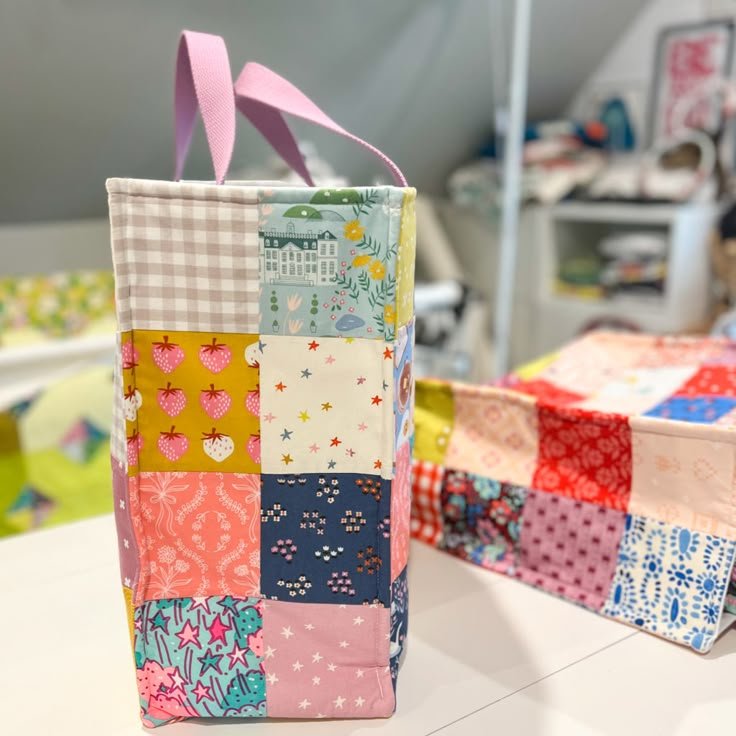
Another reason why the Quilt Bag Pattern trend continues to grow is because it is suitable for every season and occasion. Quilted bags can be elegant, modern, rustic, floral, minimalist, or bold depending on the fabric choices and design elements used. In addition, quilting projects help sewists improve their technical skills while enjoying a relaxing creative hobby. By understanding the basics of quilt bag construction, fabric selection, and quilting techniques, anyone can create a professional-looking bag from the comfort of home.
Choosing the Best Fabrics for a Quilt Bag Pattern
The success of a beautiful Quilt Bag Pattern starts with selecting the right fabrics. Fabric quality plays a major role in the durability and appearance of the final project. Cotton fabrics are among the most popular choices because they are easy to sew, durable, and available in endless colors and prints. Quilting cotton is especially recommended because it holds its shape well and works perfectly with batting and interfacing.
Many crafters enjoy combining multiple fabric prints to create visual contrast and personality. Floral fabrics, geometric prints, vintage-inspired designs, and modern solids can all work beautifully together in a quilted bag. Choosing complementary colors helps create a cohesive and balanced design. Some sewists prefer soft pastel combinations, while others enjoy vibrant and bold color palettes that stand out immediately.
Batting is another essential component when working on a Quilt Bag Pattern. Batting gives the bag structure, softness, and the classic quilted texture people love. Cotton batting creates a more natural and soft finish, while polyester batting can add extra volume and durability. Lightweight batting is often recommended for tote bags and handbags because it keeps the project manageable without making the bag too bulky.
Interfacing is equally important because it provides support and stability. Fusible interfacing can strengthen the exterior fabric and lining, helping the bag maintain its shape over time. Heavier interfacing is ideal for structured bags, while lighter interfacing works well for softer and more flexible designs. Using the right combination of batting and interfacing can dramatically improve the final appearance of the bag.
Fabric preparation should never be overlooked when making a quilted bag. Washing and ironing the fabric before sewing helps prevent shrinkage and ensures clean, accurate cuts. Prewashing also removes excess dye and softens the material, making it easier to work with during quilting and assembly.
Many sewing enthusiasts also enjoy using fabric scraps in their Quilt Bag Pattern projects. Scrap quilting is an excellent way to reduce waste while creating colorful and artistic designs. Small leftover pieces can be transformed into patchwork panels, decorative pockets, or quilt blocks that add charm and originality to the bag.
Essential Sewing Techniques for Quilt Bag Pattern Projects
Learning the basic techniques involved in a Quilt Bag Pattern can make the sewing process much smoother and more enjoyable. One of the first important skills is accurate cutting. Using a rotary cutter, quilting ruler, and cutting mat helps create precise fabric pieces that fit together perfectly. Accuracy during cutting reduces frustration later in the project and improves the overall quality of the bag.
Piecing is another key quilting technique used in quilt bag construction. Piecing involves sewing smaller fabric pieces together to create larger quilt blocks or decorative panels. Beginners often start with simple square or rectangle patchwork designs, while advanced quilters may experiment with intricate geometric patterns or traditional quilt blocks.
Quilting itself is the process of stitching together the fabric layers and batting. Straight-line quilting is one of the easiest methods and works beautifully for modern bag designs. Sewists can quilt using vertical lines, diagonal lines, grids, or even decorative wave patterns. The quilting stitches not only hold the layers together but also add texture and visual interest to the finished bag.
Adding pockets can increase both the functionality and style of a Quilt Bag Pattern. Interior and exterior pockets help organize personal items such as phones, keys, notebooks, or cosmetics. Zippered pockets provide additional security, while open pockets offer quick access to everyday essentials. Carefully planning pocket placement before assembly helps achieve a more professional result.
Handles and straps are another important element of quilt bag design. Fabric straps, leather handles, and adjustable webbing straps all create different looks and levels of durability. Reinforcing the straps with interfacing or additional stitching ensures that the bag can safely carry weight without tearing or stretching over time.
Finishing techniques also play a significant role in creating a polished appearance. Binding the edges neatly, pressing seams carefully, and trimming excess threads can elevate a homemade bag into a professional-quality piece. Many experienced quilters believe that patience during the finishing process makes a noticeable difference in the final outcome.
Creative Design Ideas for Quilt Bag Pattern Inspiration
One of the most exciting aspects of working with a Quilt Bag Pattern is the endless opportunity for creativity. Every project can reflect a different personal style, mood, or purpose. Some sewists love creating minimalist quilt bags using neutral fabrics and simple quilting lines, while others prefer colorful patchwork designs filled with vibrant energy and playful prints.
Patchwork tote bags are among the most popular quilt bag styles because they are practical and visually appealing. These bags can be used for shopping, work, school, or casual outings. Combining different fabric blocks allows sewists to showcase their favorite prints while creating a one-of-a-kind accessory that stands out beautifully.
Another popular idea is the quilted crossbody bag. Crossbody bags are comfortable, convenient, and perfect for everyday use. By adding adjustable straps, zipper compartments, and quilted panels, sewists can create fashionable bags that are both functional and stylish. Smaller quilted bags are also ideal projects for beginners because they require less fabric and shorter sewing time.
Travel bags and weekend totes are excellent choices for larger Quilt Bag Pattern projects. These bags often include multiple pockets, reinforced bottoms, and sturdy handles for extra support. Choosing durable fabrics and strong stitching methods is especially important when designing bags intended for travel or heavier use.
Seasonal quilt bags can also be incredibly fun to make. Floral fabrics work wonderfully for spring, nautical prints are perfect for summer, warm earthy tones suit autumn beautifully, and festive patterns create charming winter bags. Seasonal projects allow crafters to refresh their accessories throughout the year while exploring new color palettes and fabric combinations.
Many crafters enjoy personalizing their quilt bags with embroidery, appliqué, or decorative labels. Adding initials, flowers, animals, or meaningful symbols can transform a simple bag into a sentimental keepsake. Personalized quilt bags are especially popular as handmade gifts because they feel thoughtful and unique.
Using recycled fabrics is another creative trend within the Quilt Bag Pattern community. Old jeans, vintage quilts, fabric scraps, and repurposed materials can all be incorporated into quilted bags. Sustainable sewing practices help reduce waste while creating truly original pieces filled with character and history.
Tips for Beginners Starting a Quilt Bag Pattern
Starting your first Quilt Bag Pattern project may seem intimidating at first, but breaking the process into smaller steps can make it much easier. Beginners should start with simple designs that use basic shapes and straightforward construction methods. Tote bags with minimal hardware are excellent beginner-friendly options because they allow new sewists to focus on learning quilting and assembly techniques.
Reading the entire pattern before starting is one of the most important habits beginners can develop. Understanding each step ahead of time helps avoid mistakes and reduces confusion during the sewing process. Preparing all materials, tools, and fabric pieces before sewing also creates a more organized and enjoyable experience.
Practicing basic sewing techniques on scrap fabric can build confidence before working on the final project. Testing stitch length, quilting lines, and seam allowances helps beginners become familiar with their sewing machine and improve accuracy. Small practice pieces can also help determine which batting and interfacing combinations produce the desired effect.
Patience is extremely important when making a Quilt Bag Pattern. Rushing through cutting, piecing, or quilting can lead to uneven seams and frustrating mistakes. Taking time to press seams carefully and double-check measurements helps create cleaner and more professional results. Even experienced quilters understand that patience is part of the creative process.
Beginners should also remember that imperfections are normal in handmade projects. Slight variations in stitching or alignment often add charm and personality to quilted bags. Each project becomes a learning experience that helps develop new skills and confidence over time.
Investing in a few essential quilting tools can make a major difference for new sewists. A quality rotary cutter, self-healing cutting mat, quilting ruler, sharp fabric scissors, and sewing clips can improve both precision and efficiency. While it is possible to start with basic tools, good equipment often makes sewing more enjoyable and less stressful.
Joining sewing communities or quilting groups can provide inspiration and encouragement for beginners exploring the world of Quilt Bag Pattern projects. Sharing progress, asking questions, and learning from other crafters can make the quilting journey even more rewarding and motivating.
FAQ About Quilt Bag Pattern
What is a Quilt Bag Pattern?
A Quilt Bag Pattern is a sewing guide used to create bags with quilted fabric techniques. These patterns include instructions for cutting fabric, assembling quilted panels, adding straps, and finishing the bag.
Are quilt bags beginner-friendly?
Yes, many quilt bag projects are suitable for beginners. Simple tote bags and patchwork designs are excellent starting points for learning quilting and sewing basics.
What fabric works best for quilted bags?
Quilting cotton is one of the best fabric choices because it is durable, easy to sew, and available in many colors and prints. Interfacing and batting are also important for structure.
Do I need a special sewing machine for quilt bags?
No, a regular sewing machine is usually enough for most Quilt Bag Pattern projects. However, machines with quilting features may provide additional convenience for advanced designs.
How long does it take to make a quilt bag?
The time depends on the complexity of the design and the skill level of the sewist. Simple bags may take a few hours, while detailed quilted bags can take several days.
Can quilt bags be washed?
Most quilted bags made with cotton fabrics can be gently washed. It is recommended to follow proper care instructions and avoid harsh washing methods to preserve the bag’s shape and stitching.
What type of batting should I use?
Lightweight cotton batting is commonly used for quilt bags because it provides softness without excessive bulk. Polyester batting can add more structure and puffiness.
Can I sell bags made from a Quilt Bag Pattern?
Many designers allow handmade items created from their patterns to be sold in small quantities. Always check the specific pattern terms before selling finished products.
Conclusion
Creating a beautiful Quilt Bag Pattern project is a wonderful way to combine creativity, sewing skills, and practical design into one rewarding handmade item. Throughout this article, we explored how fabric selection, quilting techniques, batting choices, and creative design ideas all contribute to making unique and functional quilted bags. From beginner-friendly tote bags to more advanced travel bags and personalized accessories, quilt bag projects offer endless possibilities for artistic expression.