
If you’re looking to add a touch of charm and whimsy to your quilting collection, a quilt pattern elephant design might be the perfect choice. These adorable quilt patterns combine artistic expression with emotional symbolism, making them a favorite among both beginner and seasoned quilters. In this article, we’ll explore the versatility and beauty of elephant quilt patterns, how to create them, and why they’ve become so beloved in the quilting world.
From nursery decorations to heartfelt gifts, the quilt pattern elephant design fits into countless themes and occasions. Elephants are often associated with memory, wisdom, and strength, making them a meaningful centerpiece in handmade quilts. Whether stitched in pastel tones for a baby blanket or bright prints for a statement throw, this pattern is easy to personalize and brings joy to any fabric project.
Throughout this guide, we will cover everything you need to know to get started with your quilt pattern elephant design, including design inspiration, material selection, step-by-step techniques, and expert tips. We’ll also provide answers to common questions and a comprehensive FAQ to help you finish your quilt with confidence and creativity.
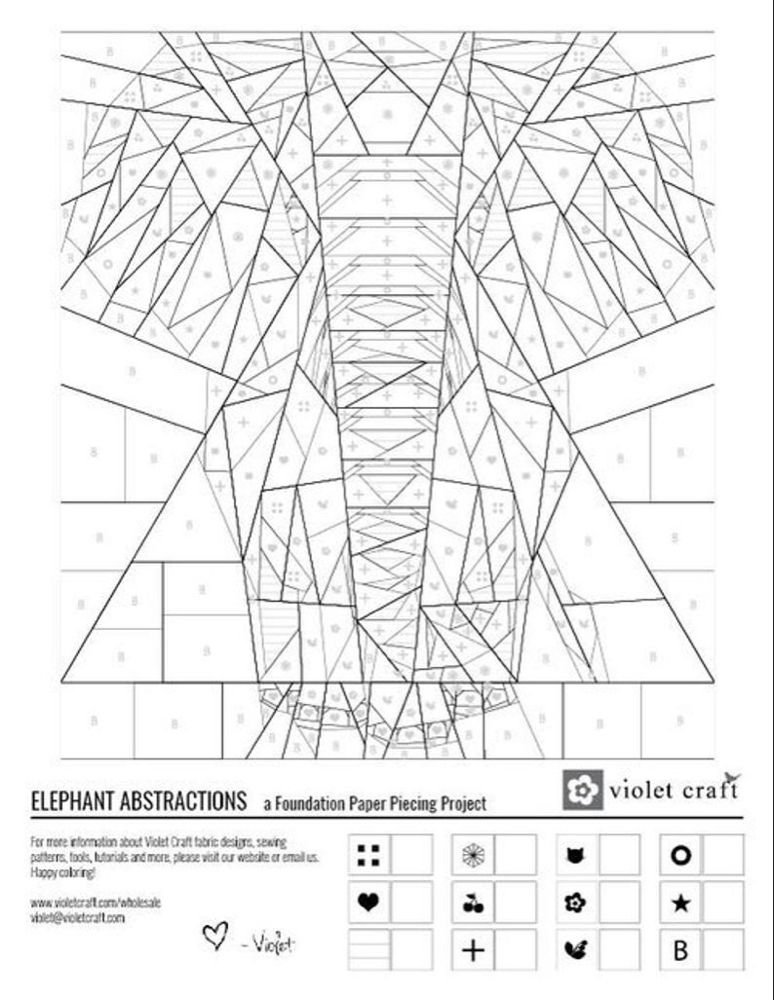
1. Understanding the Quilt Pattern Elephant Design
A quilt pattern elephant design is more than just a charming motif—it’s a symbol of love, tradition, and culture. Elephants represent good luck and strong familial bonds, which is why they are so often included in heirloom quilting projects and baby quilts.
These quilt patterns come in various styles, from realistic depictions to abstract or cartoon-style elephants. Depending on your taste, you can find or create a design that matches your intended aesthetic. Appliqué techniques are commonly used for this type of pattern because they allow for creative detailing of the elephant’s features.
One of the biggest advantages of using a quilt pattern elephant design is its flexibility. It can be incorporated as a central block or repeated throughout the quilt. It also pairs well with borders, floral accents, or other animal motifs, creating a storytelling effect on fabric.
Whether you choose hand-stitching or machine quilting, this design accommodates different skill levels. Beginners can start with a simple silhouette, while advanced quilters can dive into detailed, layered appliqués and pieced patterns.
Color choices play a big role in shaping the final impact. Soft grays and blues are popular for baby quilts, while vivid prints can make the elephant stand out in a modern or boho-style quilt. This adaptability makes the quilt pattern elephant design a timeless choice.
Before diving into your project, it’s essential to plan your layout, measure your fabrics, and review different pattern templates available online or in quilting books. With the right preparation, your elephant-themed quilt can become a lasting keepsake.
2. Choosing the Right Materials for an Elephant Quilt
Selecting the right materials is crucial to the success of your quilt pattern elephant design. From fabrics to batting, every choice influences the appearance, feel, and durability of the final product.
Start with high-quality cotton fabrics. Cotton is breathable, easy to sew, and widely available in both solids and prints. If you’re creating a quilt for a child, consider using organic or hypoallergenic cotton to ensure comfort and safety.
When choosing colors and prints, let the elephant be the star. Neutral tones for the elephant can be contrasted with brighter or patterned backgrounds. For a fun twist, use patchwork inside the elephant shape to add texture and variety.
Appliqué tools are essential if you’re crafting an elephant quilt using appliqué methods. You’ll need fusible webbing, fabric scissors, and an iron. These tools help you attach the elephant shapes securely to your quilt top before stitching.
Batting comes next. Polyester, cotton, or a blend can work depending on the desired softness and warmth. Baby quilts usually benefit from thinner, softer batting, while decorative quilts might use thicker layers for added definition.
Don’t forget your backing fabric. It should complement the front design without overpowering it. A soft flannel backing works well for children’s quilts, offering coziness and durability.
Lastly, gather coordinating threads, marking tools, and your preferred needles. If using a sewing machine, make sure it can handle quilting layers and appliqué stitching. Investing in quality materials ensures that your quilt pattern elephant design stands the test of time.
3. Techniques for Sewing Your Elephant Quilt
Creating a quilt pattern elephant design involves several enjoyable steps, from cutting and assembling to quilting and binding. Whether you’re an experienced quilter or trying this for the first time, the process can be both relaxing and rewarding.
Start by tracing your elephant design onto the fabric using a template. You can find free templates online or create your own by sketching a silhouette. Once the design is traced, cut it out carefully, leaving a small seam allowance.
If you’re using the appliqué method, fuse the elephant shape onto the background fabric using an iron and fusible webbing. Then, stitch around the edges using a straight, zigzag, or blanket stitch for a polished finish.
For pieced elephant patterns, you’ll need to cut fabric pieces according to the pattern instructions and sew them together like a puzzle. Precision is key here—make sure your seams line up correctly for a smooth and symmetrical elephant block.
After completing the elephant block, incorporate it into the quilt layout. Decide whether it will be a centerpiece or one of many repeated blocks. Arrange other design elements around it to create visual balance.
Once your quilt top is assembled, layer it with batting and backing fabric. Baste the layers together and quilt using your preferred method—free-motion quilting, straight-line stitching, or echo quilting around the elephant for added emphasis.
Finally, bind the edges using matching or contrasting binding strips. Add any finishing touches, like embroidered eyes or tusks, and your quilt pattern elephant design is ready to be cherished or gifted.
4. Creative Uses and Gift Ideas for Elephant Quilts
The quilt pattern elephant design lends itself beautifully to a wide variety of uses, making it one of the most versatile patterns available. Its universal appeal ensures that any quilt made with this motif will be treasured.
Baby quilts are perhaps the most popular use. An elephant-themed quilt brings comfort and style to a nursery and can become a lifelong keepsake. Choose pastel colors, soft fabrics, and gentle stitching for the best results.
Memory quilts featuring elephants can be made from a loved one’s old clothes or baby garments. These heartfelt creations preserve memories while offering warmth and a personal touch.
Wall hangings are another creative application. A quilted elephant design can serve as a beautiful and unique home décor piece. You can mount it with a wooden dowel or frame it for display.
Lap quilts and throws with an elephant theme are perfect gifts for animal lovers or fans of exotic motifs. They can be customized in size, color, and fabric to suit the recipient’s preferences.
Fundraisers or charity projects can also benefit from the quilt pattern elephant design. Quilts with this design are often auctioned or donated to hospitals and shelters, where their comforting presence is especially appreciated.
Lastly, elephant quilts make wonderful teaching tools in quilting classes. The combination of appliqué, color coordination, and pattern planning offers valuable practice for students at various skill levels.
Frequently Asked Questions (FAQ)
What is a quilt pattern elephant design?
A quilt pattern elephant design is a quilt featuring an elephant motif, often created using appliqué, piecing, or embroidery. It’s a popular choice due to its symbolic meaning and visual appeal.
Is an elephant quilt pattern suitable for beginners?
Yes! Simple elephant shapes are beginner-friendly, especially when using appliqué techniques. More complex designs may require intermediate skills, but tutorials and templates make the process easier.
Where can I find elephant quilt pattern templates?
You can find free and paid templates online on crafting websites, quilting blogs, or marketplaces like Etsy. Books and digital downloads also offer a wide selection.
What fabrics work best for elephant quilts?
Cotton is the most recommended fabric due to its softness and durability. For baby quilts, organic cotton is ideal. Use contrasting fabrics to make the elephant stand out.
How do I personalize an elephant quilt?
Add names, birthdates, or meaningful quotes with embroidery. Use fabrics that reflect the recipient’s favorite colors or include additional elements like stars, hearts, or other animals.
Can I sell quilts made with elephant patterns?
Yes, as long as the pattern is labeled for commercial use or you created the design yourself. Always check copyright information if you’re using someone else’s template.
PATTERN HERE
The quilt pattern elephant design is a delightful way to express creativity, love, and craftsmanship through fabric. Its symbolism and visual charm make it a timeless favorite for quilts of all purposes, from nursery gifts to heirloom pieces. With the right materials, thoughtful planning, and a bit of imagination, you can create a quilt that tells a story and brings joy to everyone who sees or receives it.
We hope this guide has inspired you to start your own elephant-themed quilting project. If you enjoyed this article or have ideas to add, please share your honest opinion and suggestions in the comments below—we’d love to hear from you!