
Slip Knot Quilt Pattern is a beautiful and practical topic for quilters who enjoy combining visual rhythm, precise fabric placement, and creative stitching into one memorable design. In the quilting world, patterns inspired by knots often symbolize connection, continuity, and handmade care, which makes this design especially appealing for both beginners and experienced makers.
A well-planned Slip Knot Quilt Pattern offers the chance to explore geometry while also creating a warm, elegant finished piece that works beautifully in many home settings. Because of its balanced structure, this pattern often becomes a favorite for quilts intended as gifts, decorative throws, or statement bed covers.
The popularity of Slip Knot Quilt Pattern projects continues to grow because quilters appreciate designs that look intricate while remaining achievable through careful step-by-step assembly. One reason many makers return to this style is the way the repeating blocks create movement across the surface of the quilt.
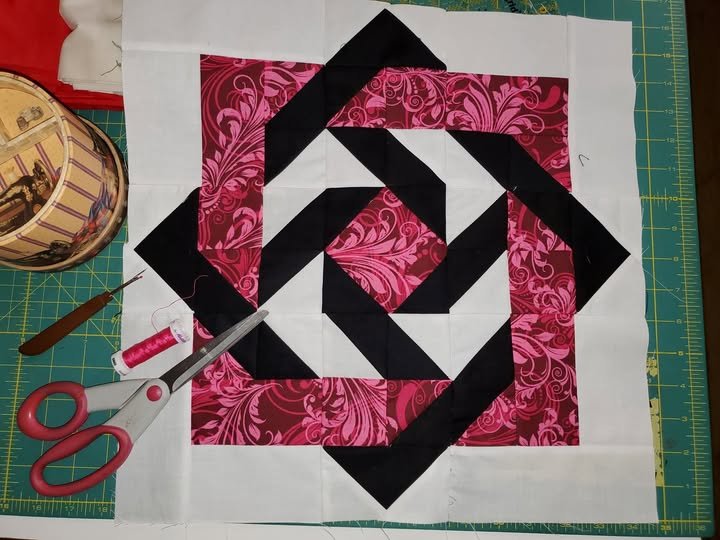
The eye naturally follows the lines, giving the finished work a dynamic appearance without requiring overly complicated sewing techniques. For people building quilting confidence, this pattern provides a rewarding challenge that also teaches important layout discipline.
Another reason the Slip Knot Quilt Pattern stands out is its flexibility with color, scale, and fabric texture. Soft neutrals can produce a calm and modern result, while bold prints create a dramatic visual effect. Seasonal palettes also work well, making this design suitable for many creative purposes throughout the year. Whether using cotton solids, subtle florals, or coordinated prints, the pattern adapts beautifully to personal style, allowing each quilt to feel unique while preserving the recognizable knot-inspired structure.
Understanding the Structure of the Slip Knot Quilt Pattern
The foundation of a strong Slip Knot Quilt Pattern begins with understanding how the blocks visually interact. Most versions rely on carefully arranged geometric units that create the illusion of interwoven lines. This visual effect is what gives the design its knot-like appearance and makes it so attractive in finished quilts.
Many quilters begin by dividing the block into smaller units before assembling the final shape. This helps maintain accuracy because each segment can be sewn and pressed before joining larger sections. Working in smaller parts also reduces distortion and improves alignment during construction.
Fabric direction matters more than many beginners expect. If prints have a visible direction, planning each cut carefully helps preserve the visual rhythm of the block. Even small directional differences can change how the knot illusion appears across the finished quilt.
Seam consistency plays a major role in this pattern. A reliable quarter-inch seam helps blocks fit together without forcing edges. Precision becomes especially important when repeating many blocks across a larger quilt.
Pressing strategy should also be considered early. Some quilters press seams open for flatter joins, while others press to one side for stronger seam nesting. Both methods can work well depending on fabric choice and personal sewing habits.
Before final assembly, laying out all completed blocks on a flat surface helps identify balance issues. Sometimes simply rotating one block improves the visual flow of the entire quilt top.
Choosing Fabrics and Colors for Better Visual Impact
Color selection strongly influences how a Slip Knot Quilt Pattern is perceived. High contrast usually makes the knot effect more visible, especially when one fabric family appears to pass over another visually. This contrast helps emphasize the design’s signature movement.
Light and dark combinations often produce the clearest results. For example, pairing cream with navy, gray with burgundy, or soft beige with charcoal can create a sophisticated and timeless appearance.
Printed fabrics can also work beautifully, but scale matters. Small prints tend to preserve the geometry better than oversized motifs because they do not interrupt the block lines too dramatically.
Many quilters choose a dominant background fabric to unify the quilt. A stable background helps the knot pattern stand out and prevents the design from looking visually crowded.
Texture also contributes to the final effect. Mixing smooth cotton solids with lightly textured fabrics adds depth without overwhelming the pattern itself. Subtle woven finishes can make the quilt feel more handcrafted and rich.
Testing fabrics under natural light is helpful before cutting. Some combinations that look strong indoors may soften significantly in daylight, which changes how clearly the knot design appears.
Sewing Techniques That Improve Accuracy and Finish
Accurate cutting is essential when making a Slip Knot Quilt Pattern because even small variations can affect block alignment. Using a sharp rotary cutter and checking ruler placement carefully improves consistency from the beginning.
Chain piecing is a helpful method when producing multiple units. Sewing repeated pieces continuously saves time and keeps units organized for later assembly.
Pinning at critical intersections helps preserve alignment, especially where several seams meet. Taking extra time here often prevents frustration during block joining.
Some quilters trim units after partial assembly rather than relying only on original cut measurements. This allows correction before the final block stage and improves overall uniformity.
Pressing after each seam keeps pieces flat and easier to handle. Skipping pressing often leads to stretched edges that become difficult to correct later.
Checking each completed block before adding it to the quilt top helps identify small problems early. Correcting one block immediately is easier than adjusting many after full assembly.
Finishing, Quilting, and Long-Term Quilt Care
Once the quilt top is complete, choosing the right quilting design enhances the Slip Knot Quilt Pattern without competing against it. Straight-line quilting often highlights geometry beautifully and keeps the knot illusion clear.
Diagonal quilting can add movement that complements the existing visual structure. This option works especially well when the quilt already has strong directional flow.
Batting choice influences texture and drape. A medium loft batting gives the quilt softness while preserving stitch definition, making the pattern visible even after washing.
Binding should frame the quilt without overpowering it. Many quilters choose a solid binding pulled from one of the darker fabrics in the design for a clean finish.
After completion, gentle washing helps soften the quilt and give it the beloved crinkled handmade appearance many quilters appreciate. Mild detergent and cool water are usually ideal for preserving color.
For long-term care, storing the quilt folded differently each time helps prevent permanent crease lines. Occasional airing also keeps fabrics fresh and preserves the handmade finish for years.
FAQ About Slip Knot Quilt Pattern
Is the Slip Knot Quilt Pattern suitable for beginners?
Yes, many beginners can successfully make this pattern if they work slowly, follow measurements carefully, and focus on seam consistency. Starting with a smaller version is often helpful.
What fabrics work best for a Slip Knot Quilt Pattern?
High-quality quilting cotton is usually the best option because it cuts cleanly, presses well, and maintains stable block edges during sewing.
How many colors should be used in this pattern?
Two to four colors often produce excellent results. Too many competing shades can reduce the knot effect, while controlled contrast improves visibility.
Can I make this pattern as a baby quilt?
Yes, the design adapts very well to smaller sizes. Soft colors and simple quilting lines create a beautiful baby quilt version.
What quilting style matches this design best?
Straight-line quilting, diagonal lines, or gentle geometric stitching usually complement the pattern without distracting from the block design.
How do I prevent blocks from becoming uneven?
Accurate cutting, careful pressing, and checking measurements after each stage are the most effective ways to maintain even blocks.
The Slip Knot Quilt Pattern offers a wonderful balance between visual elegance and practical quilting technique. Throughout this article, we explored how block structure creates the knot illusion, why thoughtful fabric choices improve the final design, which sewing habits lead to greater accuracy, and how finishing decisions influence the completed quilt. This pattern remains popular because it allows creativity while also teaching valuable construction discipline that strengthens overall quilting skills.
A carefully made Slip Knot Quilt Pattern becomes more than a decorative object—it reflects patience, planning, and personal style stitched into every section. Whether your goal is a modern quilt, a traditional keepsake, or a meaningful handmade gift, this design offers lasting value and beauty. If you enjoyed this article, leave your honest opinion and share your suggestions—your feedback helps inspire even better quilting discussions in the future ✨🧵😊